Launch To Wellness

Where Healing Becomes Forward Motion

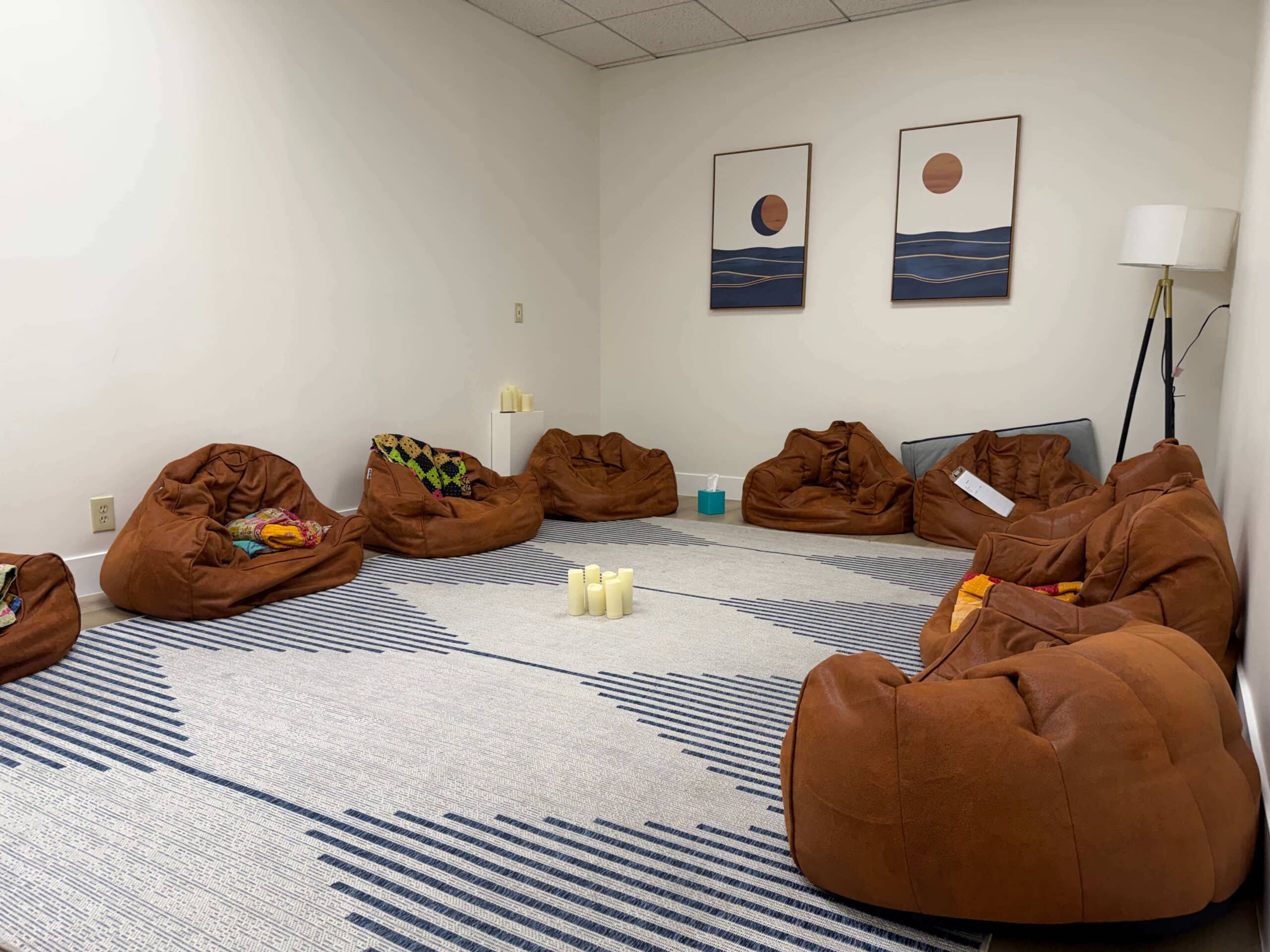
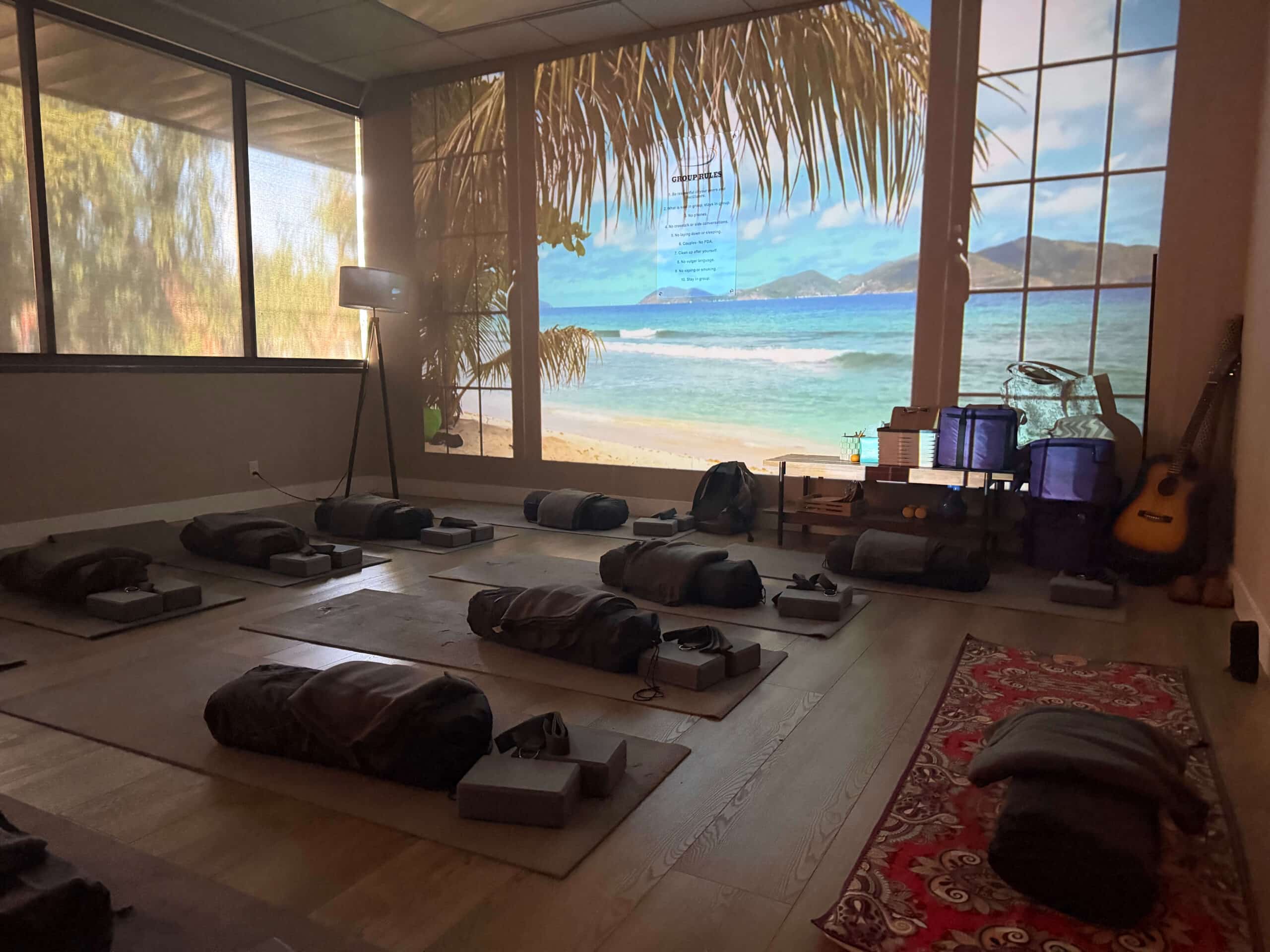
Group therapy space at Launch To Wellness
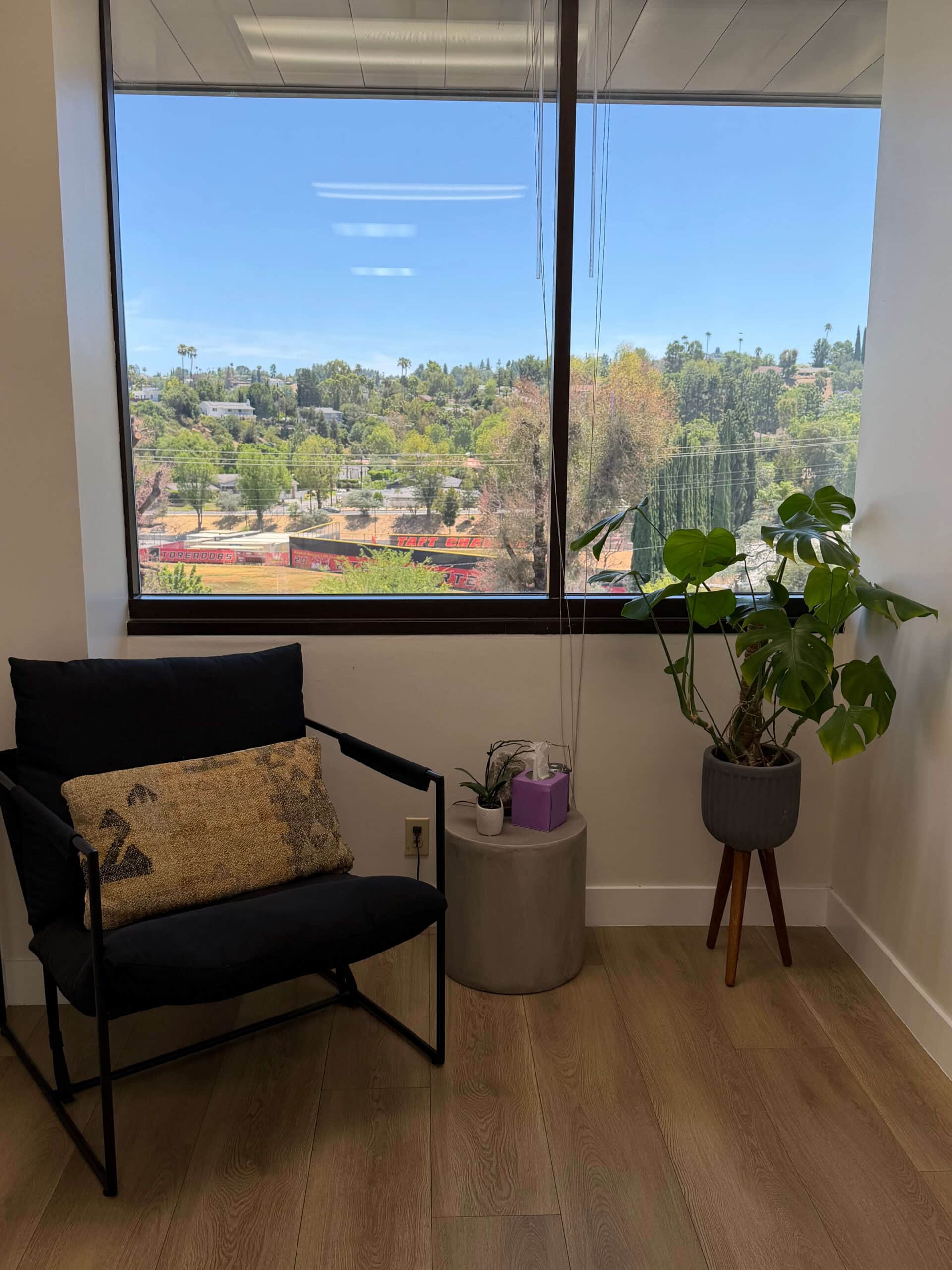
Treatment room interior

Suicidal Ideation

Suicidal Ideation

If you’re in crisis, help is available right now: call or text the 988 Suicide & Crisis Lifeline, or text HOME to 741741 to reach the Crisis Text Line.
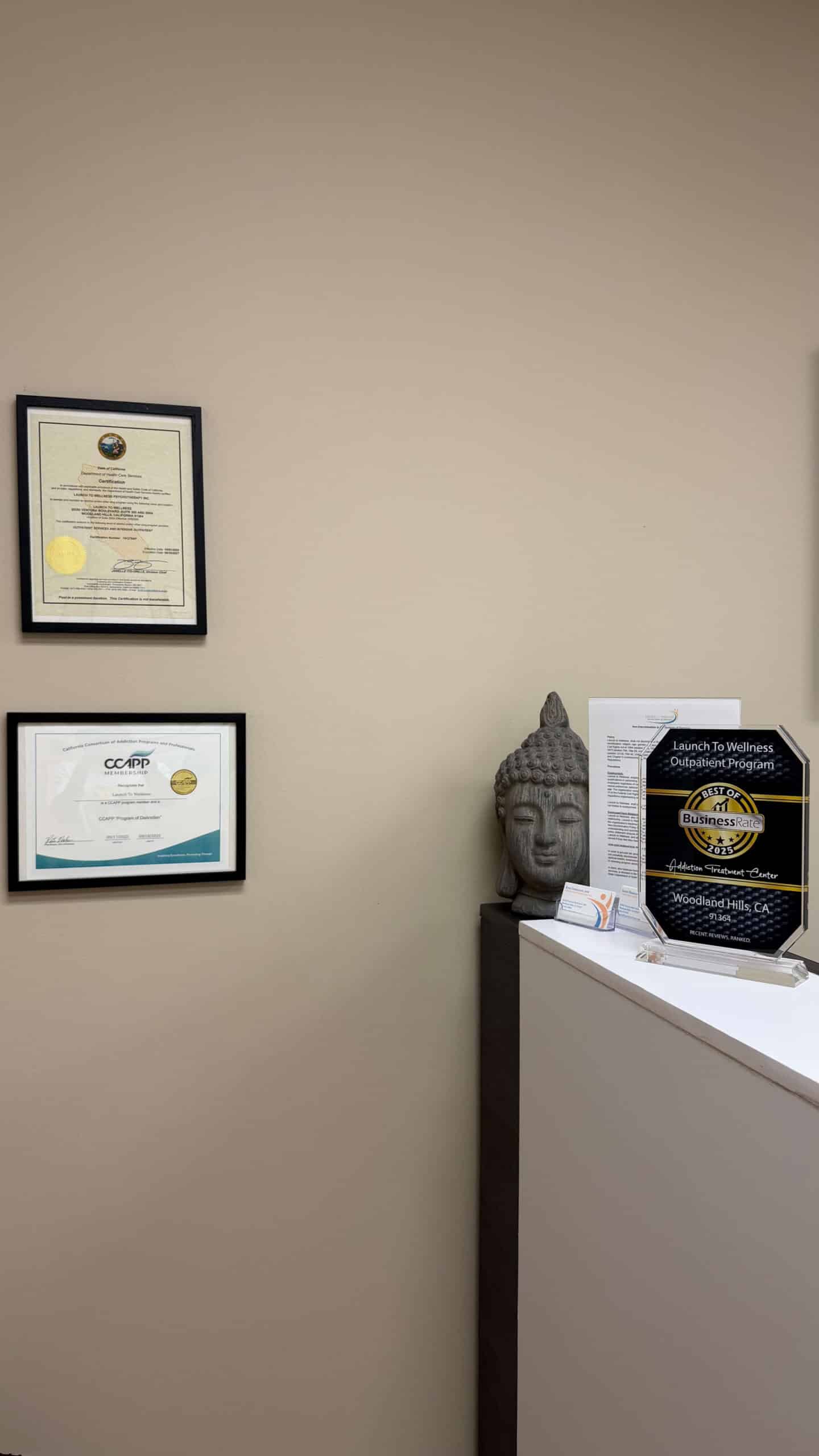
Framed professional certificates on the wall
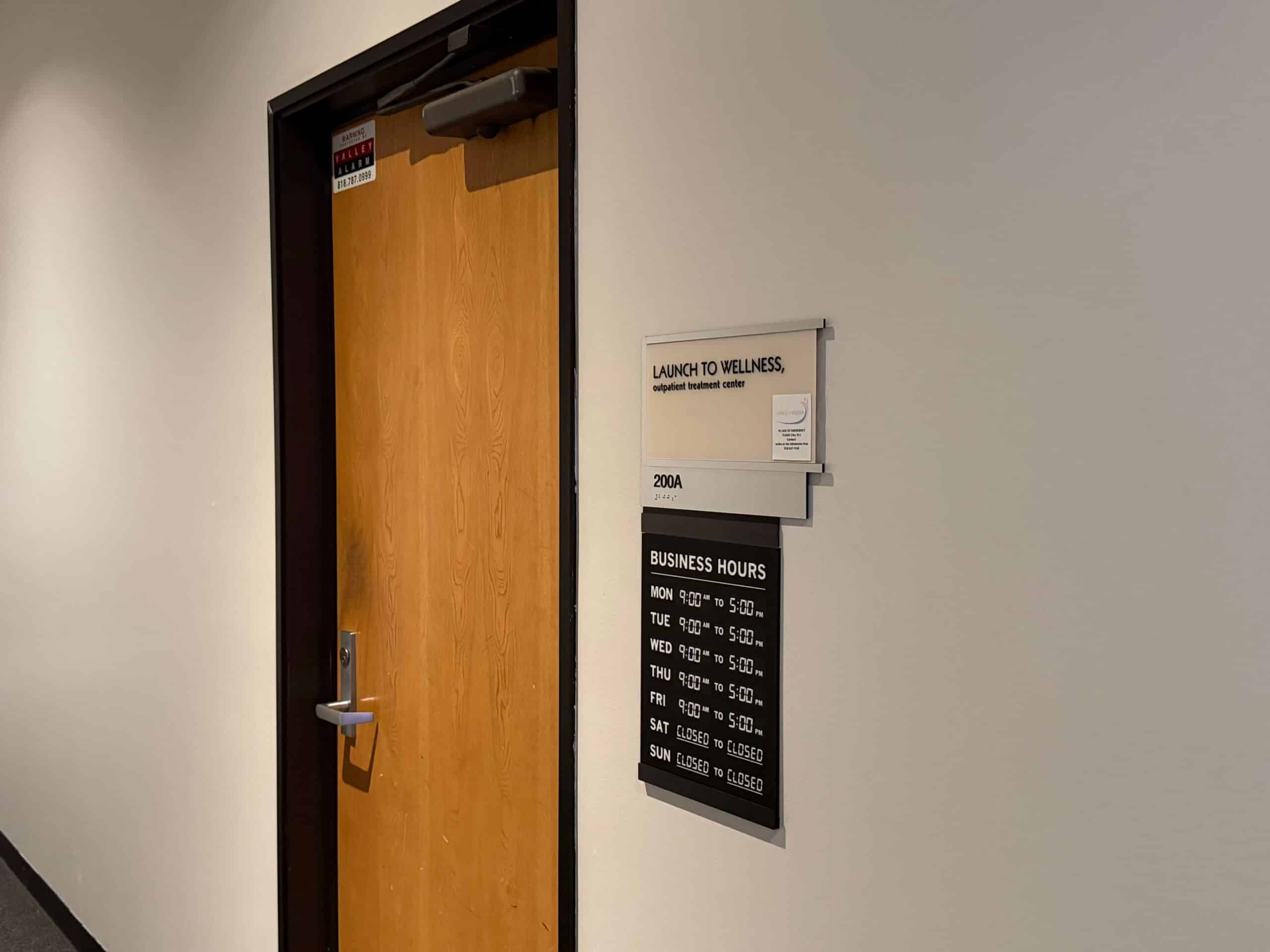
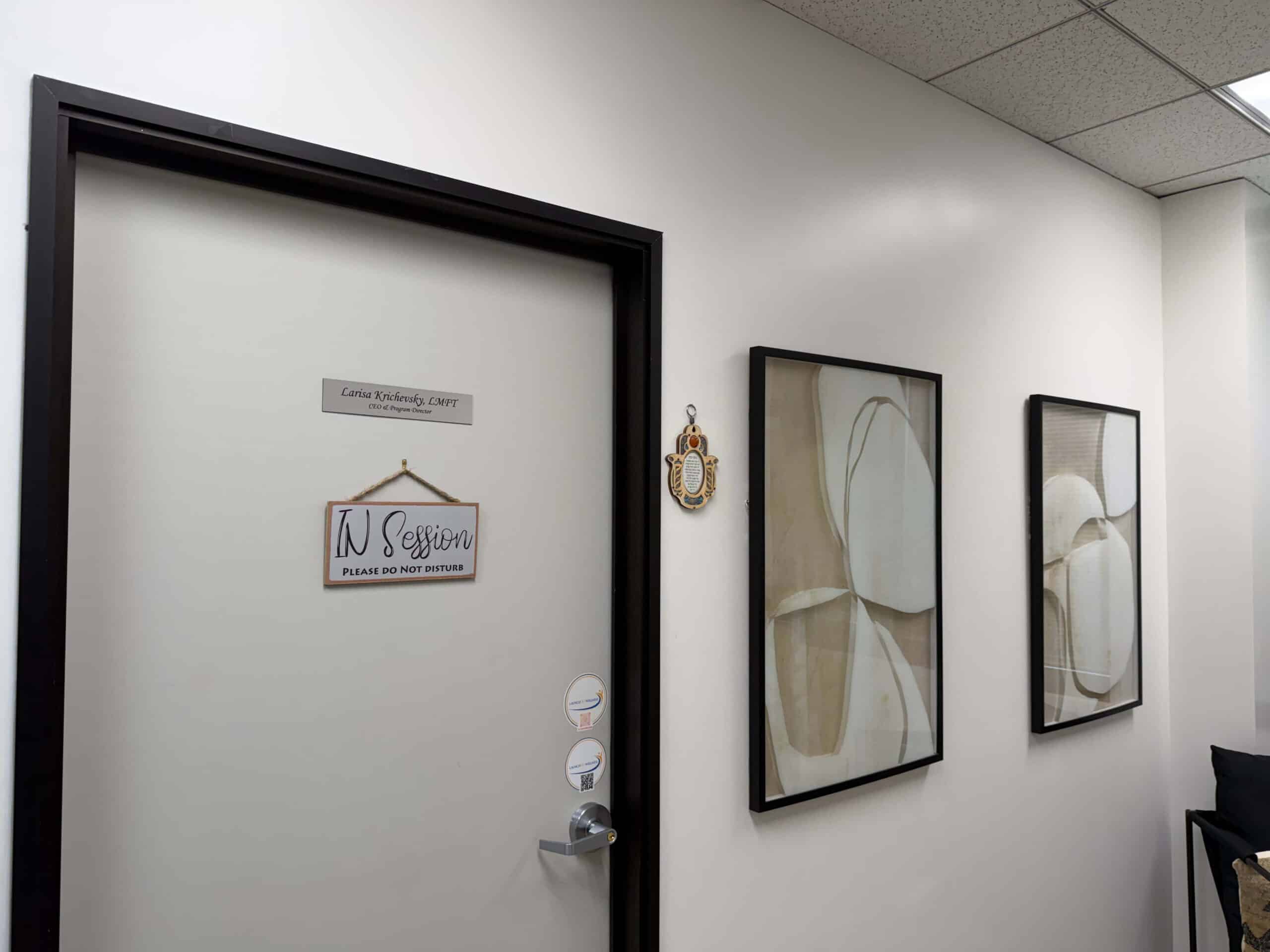
Office door and hamsa on the wall beside it
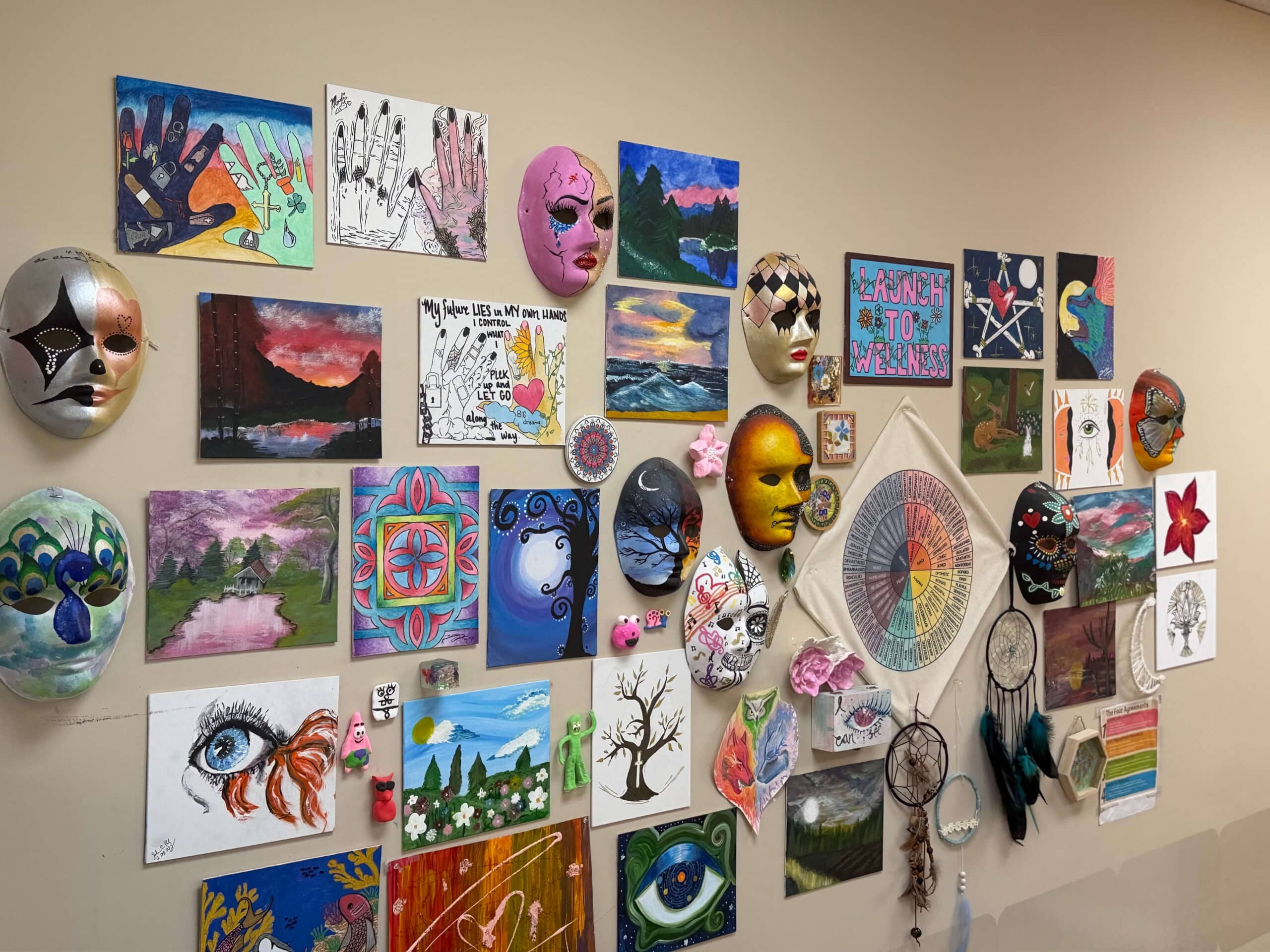
Artwork displayed on the studio wall
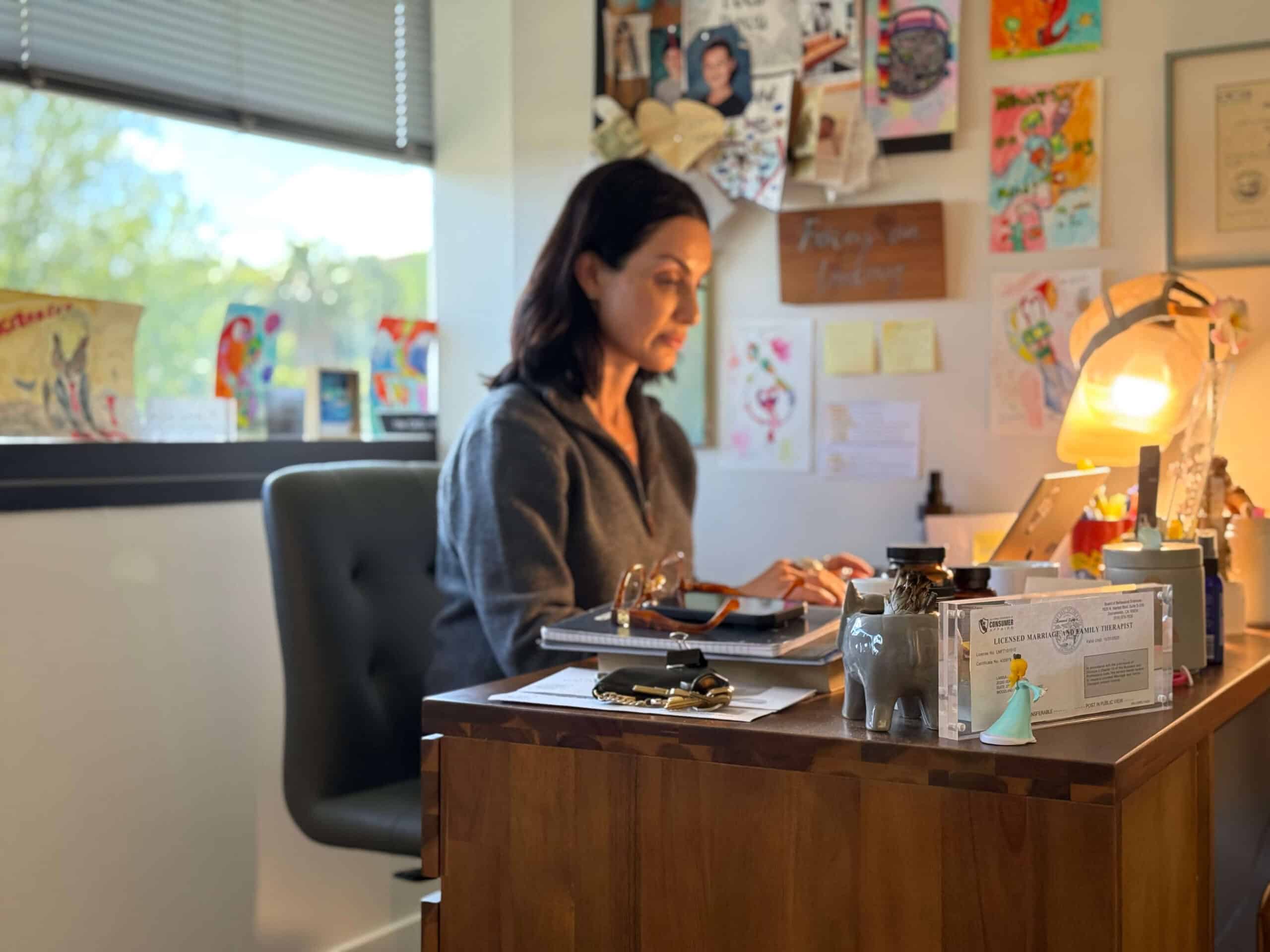
Therapy office at Launch To Wellness
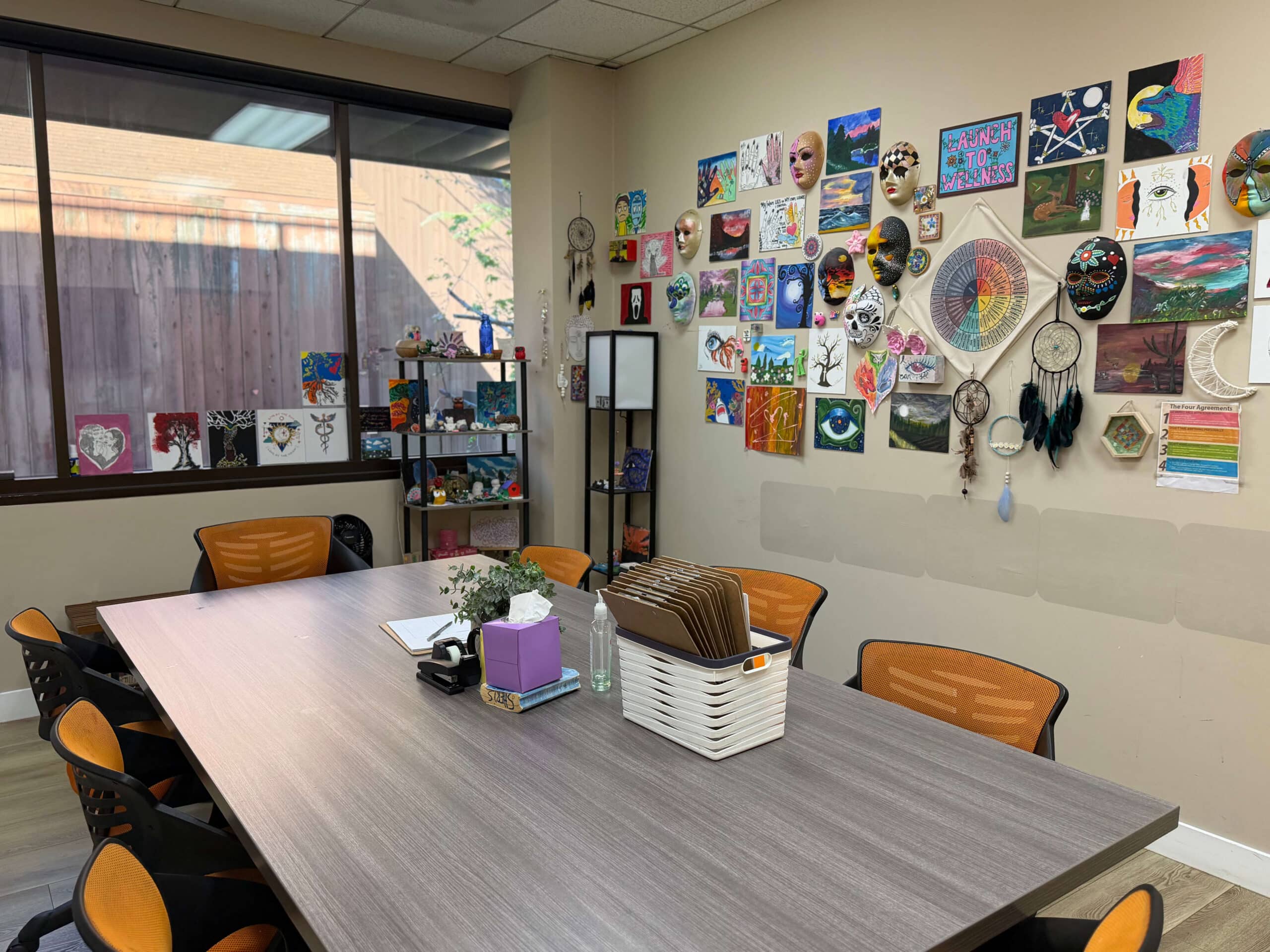
Clinical meeting space

Suicidal Ideation

When the Thoughts Turn Toward Ending It.

Thoughts of suicide can range from a passing wish to disappear to detailed planning. They often arrive with depression, trauma, or overwhelming stress, and they carry a heavy silence: people fear saying them aloud, and the people around them fear asking. Naming them is the first step out.

These thoughts are a symptom, not a truth about the future, and they respond to treatment. In a setting with daily clinical contact, safety planning, and therapy that addresses what is driving the pain, the thoughts lose their pull and reasons to stay come back into view. If you are in immediate danger, call or text 988 now.

What We Treat

Ideation Ranges Wider Than People Think.

Mental health treatment Start admissions

What Contributes to Suicidal Thoughts — Launch To Wellness

What contributes to suicidal thoughts?

Pain, Not Character.

Suicidal thoughts are almost always the product of several things happening at once, most often an underlying condition, overwhelming pain, and a sense that there’s no other way through. Every one of those factors is treatable.

Contributing factors may include

If you’re thinking about suicide right now, call or text 988 (Suicide & Crisis Lifeline) for free, confidential support, 24 hours a day. Understanding what contributes to suicidal thoughts helps us treat the real, and treatable, causes. See Mental Health Treatment.

How Substance Use Affects Daily Life

When Substance Use Goes Untreated.

A drink or a dose that used to be occasional, now something the day gets built around. Tolerance that climbs, control that slips, promises to cut back that don’t hold. What started as a way to cope becomes its own source of harm. These symptoms reach into every corner of daily life. Our evidence-based treatment addresses the dependency and what’s underneath it, rebuilds the structure substance use erodes, and returns the control it quietly took.

01

Relationships

01

Relationships

Broken trust, secrecy, conflict with loved ones, and relationships that reorganize themselves around the substance.

02

Work & School

02

Work & School

Missed days, declining performance, and risk to employment or academic standing.

03

Physical Health

03

Physical Health

Tolerance and withdrawal, organ strain, disrupted sleep, and escalating health risk the longer use continues.

04

Mental Health

04

Mental Health

Substance use frequently occurs alongside anxiety, depression, trauma, and other unaddressed mental health conditions.

Our approach to Suicidal Ideation — Launch To Wellness

Individualized to you

Our Approach To Suicidal Ideation

If you’re in immediate danger or considering acting on these thoughts right now, call or text 988 (Suicide & Crisis Lifeline) or call 911. This program provides outpatient care and is not a crisis or emergency service.

01

Safety Planning

A written, personalized plan for what to do the moment thoughts intensify, built with you before you need it.

02

Individual Therapy

One-on-one work with your primary therapist, with your safety and stability as the first priority.

03

DBT

Skills for getting through the most intense moments without acting on them.

04

CBT

Tools for working with the specific thoughts that tend to show up hardest, and challenging their weight.

05

Medication Management

Coordinated psychiatric care when medication can help stabilize the underlying condition.

06

Group Therapy

Structured sessions with others who understand this weight, so you’re not carrying it in isolation.

07

Family Therapy

Helping the people who love you understand how to support you without walking on eggshells.

08

Psychoeducation

A clear, honest explanation of what’s happening, without minimizing it or overstating it.

09

Care Coordination & Follow-Up

Consistent contact between sessions, so you’re never waiting alone for the next appointment.

Mental health treatment Start admissions

Co-Occurring Disorders — Specific overlaps | Launch To Wellness

The overlap, by name

Four Names for One Clinical Picture.

Each label points to mental health and substance use happening at the same time — treated as one plan, not two tracks.

What Makes Our Approach Different | Launch To Wellness

Our approach

What Makes Our Approach Different

If you are comparing outpatient treatment centers in Los Angeles, you have already seen the same three phrases on every site: compassionate staff, evidence-based care, individualized attention. All of it is usually true, and none of it helps you choose.

Here is what distinguishes Launch To Wellness, an outpatient mental health and substance use treatment center in Woodland Hills serving the San Fernando Valley and greater Los Angeles, described specifically enough that you can ask us about any of it before you decide.

  • Co-occurring mental health and substance use conditions are addressed in one treatment plan by one team. You will not be told your depression is out of scope, or that you need to get sober first before anyone will treat your trauma. Both are worked on from day one.

  • Your therapist, psychiatric provider, and case manager work in the same Woodland Hills building and stay in the same conversation about your care. Clinical staff meet regularly to review each client’s progress, so your plan changes when your situation changes rather than six weeks later.

  • We do not run everyone through the same sequence of worksheets. Your treatment plan is built from your clinical assessment, your history, your goals, and what has already failed you. Two people in the same program on the same day are often working on very different things.

  • Outpatient treatment means you practice what you learn where it actually matters, which is at home, at work, and with your family. Skills are tested against real life every evening and reviewed the next day. For many adults that is not a compromise, it is the more durable path.

  • Recovery rarely happens in isolation, and families often need support of their own. Family education and involvement are offered as part of the treatment plan, with your consent and on your terms.

  • For adults whose depression has not responded to medication, transcranial magnetic stimulation is a non-invasive, FDA-cleared option for treatment-resistant depression. Having TMS therapy available in house means we can change course without sending you somewhere else.

  • Your progress is tracked with validated clinical assessments at regular intervals, not only by how you describe your week. When the measures stop moving, your treatment plan changes.

Four Categories, One Team | Launch To Wellness

What We Treat, By Category

Four Categories, One Team.

Every plan starts with a category, then gets built around the specific condition inside it.

Mental Health

Depression, anxiety, trauma, and the broader range of conditions we treat clinically, not just the most commonly searched ones. Every plan is built around the specific condition, not a generic mental health track everyone moves through the same way.

01 / 04
Why Launch To Wellness — Levels of care | Launch To Wellness

Programs

Levels of Care

Momentum moves through four levels — PHP, IOP, Virtual IOP, then OP. Each hang is a step, not a guess.

01

Partial hospitalization

The most structured outpatient week. Five days, evenings at home.

Learn more

02

Intensive outpatient

Real structure, fewer days, built around work, school, or family.

Learn more

03

Virtual intensive outpatient

The same IOP program and clinical team, delivered across California.

Learn more

04

Outpatient

The lightest level. Ongoing support at a lower weekly frequency.

Learn more