Launch To Wellness

Where Healing Becomes Forward Motion

Skip to content
Launch To WellnessNovember 2026

Launch, Forward

 Where Healing Meets Forward Motion 

An ongoing inquiry into behavioral health, practical recovery, and lasting connection

The Launch To Wellness team in matching white shirts on the Santa Monica Pier
Inside This Issue
01From the Program Director
02What Group Therapy Actually Looks Like
Therapy Spotlight
03A Two-Week Plan for Thanksgiving
The Week in Practice
04The Holidays After Treatment
Voices of Launch
05A Person Behind the Purpose
George’s Wings Scholarship
06A Season of Milestones at Launch To Wellness
Launch News: Team Highlights
07Launch News: Out in the Community
01
 

From the Program Director

Portrait of Larisa Krichevsky
Larisa Krichevsky, LMFT
CEO and Program Director

There is a book I recommend more often than any other, and November is the right month to tell you about it.

It is called I Don’t Want to Talk About It, by Terrence Real, a family therapist who spent his career working with men. The title is what most families hear when they try. The subject is male depression, and the reason the book has stayed relevant for nearly thirty years is one idea.

Real distinguishes between depression that announces itself and depression that hides. The first version looks the way we are taught depression looks: sadness, withdrawal, a person who can name that something is wrong. The second version doesn’t look like that at all. It looks like anger. It looks like a man who is never home because work has become the only acceptable place to disappear. It looks like drinking that everyone has agreed not to mention. It looks like a father who is physically present at the table and somewhere else entirely.

Families miss it constantly. Not because they aren’t paying attention, but because they are watching for the wrong thing. Nobody looks at irritability and thinks, “Depression.” They think, “That’s just how he is.”

Real’s argument is that it often isn’t how he is. It is what happened to him, carried quietly, usually passed down from a father who carried it the same way.

I bring this up in November for two reasons.

The first is Movember, which started as a men’s health campaign and has become one of the few places where men’s mental health gets discussed in public at all. That matters because the men we treat almost universally waited too long. They did not arrive at our door early. They arrived after a job ended, after a marriage ended, after a doctor said something that frightened them.

The second reason is the season. The holidays put families in the same room for hours at a time, which makes them one of the few reliable opportunities to actually see someone. If you have a brother, a husband, a father, or a son who has been angry for a year, or absent for a year, or drinking more than he used to, you are going to be sitting across from him this month.

 I am not suggesting you confront him over turkey. I am suggesting you stop filing what you see under personality and start considering that it might be pain.

The rest of this issue is built around that.

P.J. writes about what actually happens when men walk into group therapy expecting to hate it.

Eric offers a two-week plan for the weeks on either side of Thanksgiving, because the week after a hard gathering gets ignored and shouldn’t.

Jacob, in his new role as our Alumni Coordinator, writes about what alumni tell him about their first holiday season out.

Jackie explains our George’s Wings scholarship and how it works.

Read the book if you have someone in mind. And if you’ve been waiting for a good moment to say something, this month hands you one.

If you or someone you love is in crisis, call or text 988 at any hour.

Larisa Krichevsky, LMFT
CEO and Program Director
Launch To Wellness

02 · Therapy Spotlight
 

What Group Therapy Actually Looks Like

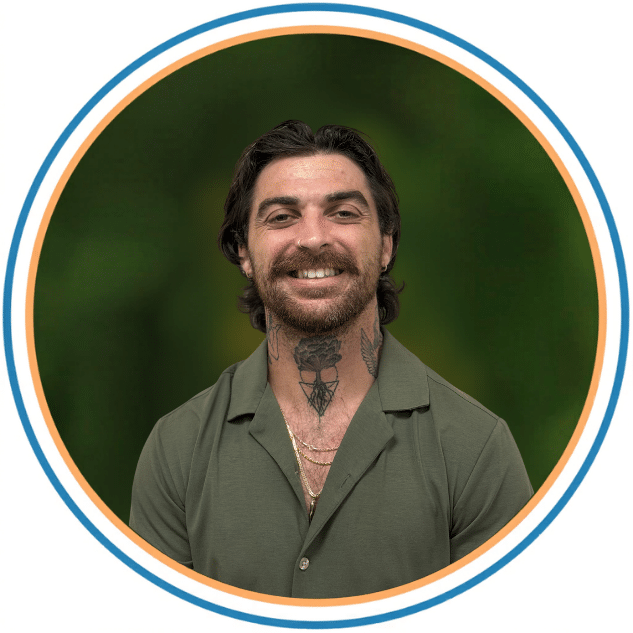
Portrait of P.J. Lombardo
P.J. Lombardo, RADT
Operations Coordinator

Do I really need this? Why would I spill my problems out on the floor for everyone to see? Do I trust these people? How is this going to help? Why am I here?

I asked myself every one of those questions before I came to Launch. I’d bet you’re asking the same ones, or something close.

When I walked through the doors at Launch To Wellness, I expected what I’d seen in movies and on TV, and what I’d heard from other people. It wasn’t that. Here’s what it’s really like.

The Basics

How long are groups?
An hour to an hour and a half.
How many people?
Anywhere from 4 to 6, and never more than 12.
How is it structured?
The facilitator introduces a topic, gives some background, and shares their own experiences. Then the floor opens for discussion.
Who’s in the room?
It depends on that day’s topic. You’ll be with other men or with men and women who are also in the program.
Is it private?
Yes. We strongly enforce one rule: “What’s said in group stays in group.” That’s what keeps the room safe for everyone.

Your First Session

Do I have to jump in?
No. It goes the way you want it to. You can dive right in and start the work, or you can sit back, listen, and take it all in.
Where do I sit?
The room is intimate without feeling crowded. It’s set up to keep everyone engaged without putting anyone in the spotlight. The chairs sit around the outer edge of the room, not in a circle like in the movies.
Do I have to talk? What if I don’t?
You don’t have to, though we always encourage it. Nobody is punished for staying quiet. The facilitator will do their best to help you work through whatever is holding you back from being vulnerable, but you’re never forced.

Who It Helps and What It’s For

Group therapy is for you and the others in the room. It gives you perspective and reassurance, and it lets you be seen and heard. It’s built to help you finally realize you’re not the only one going through this and that there are healthy ways forward.

 If you’ve already decided you’ll hate it, I understand. I’d just ask you to come once and see for yourself.
03 · The Week in Practice
 

A Two-Week Plan for Thanksgiving

Portrait of Eric Rubin
By Eric Rubin, RADT
Group Facilitator

Thanksgiving is often presented as a time of gratitude, connection, and celebration. But for many people, family gatherings can bring stress, unresolved conflict, loneliness, or the return of familiar patterns. The pressure to make the holiday meaningful can be just as difficult as navigating the gathering itself. This two-week practice focuses on preparing for the experience and caring for yourself afterward, regardless of how things unfold.

Week One: Before the Gathering — Practice Grounding

Before Thanksgiving, focus on building small moments of stability into your daily routine. Rather than trying to control how the gathering will go, practice controlling what you can: your breathing, your boundaries, and how you respond to stress.

Spend five minutes each day practicing grounding. Sit comfortably, place both feet on the floor, and take slow, steady breaths. Notice five things you can see, four things you can feel, and three things you can hear. When your mind begins rehearsing difficult conversations or anticipating conflict, gently bring your attention back to the present.

Choose one additional action each day that supports your well-being, such as taking a short walk, maintaining a consistent bedtime, or reaching out to someone you trust. If a difficult interaction occurs, give yourself permission to pause before responding. You do not have to resolve every disagreement or meet everyone’s expectations.

Before Thanksgiving Checklist
 
Practice five minutes of grounding each day.
 
Maintain a consistent sleep schedule.
 
Take at least one intentional walk or movement break daily.
 
Identify one personal boundary you want to maintain.
 
Choose a trusted person you can contact if you feel overwhelmed.

Week Two: After the Gathering — Practice Recovery

The days after Thanksgiving deserve just as much attention as the days leading up to it. A gathering may leave you feeling connected and grateful, but it may also leave you disappointed, emotionally exhausted, or questioning yourself. When difficult experiences go unacknowledged, people can feel isolated with emotions they do not know how to process.

This week, practice giving yourself space to recover without judging your feelings. Set aside ten minutes each day to check in with yourself. Notice your emotions without immediately trying to fix, suppress, or explain them. If the gathering was difficult, remind yourself that one uncomfortable experience does not define your worth or determine the future of your relationships or your recovery.

Return to the basics: adequate sleep, nourishing meals, movement, and meaningful connection. Set aside time for yourself to meditate, exercise, or partake in a hobby. Consider talking with someone you trust about what happened, if anything occurred that you feel the need to discuss. If you need distance from a stressful situation, allow yourself to take it. Reflection does not require blaming yourself or anyone else; it simply means being honest about your experience, recognizing how you feel, and identifying what you need moving forward.

After Thanksgiving Checklist
 
Spend ten minutes checking in with your emotions each day.
 
Prioritize sleep, meals, and physical movement.
 
Connect with someone you can relate to who makes you feel safe and supported.
 
Give yourself permission to rest or establish distance when needed.
 
Identify one thing you learned about your needs or boundaries.
Reflection Question
What did this Thanksgiving teach me about what I need to feel emotionally safe, connected, and grounded, both before and after difficult interactions?

The goal is not to create a perfect holiday. It is to build the skills to meet yourself with patience—both during challenging moments and in the quiet days that follow—while enjoying this time meant to be shared with loved ones.

04 · Voices of Launch
 

The Holidays After Treatment
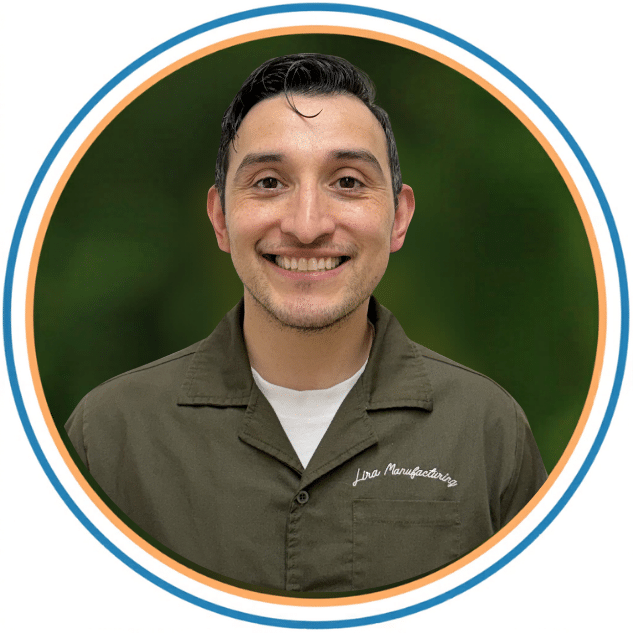
Portrait of Jacob Flores
Jacob Flores, RADT
Alumni Coordinator

As I step into my role as the new Alumni Coordinator at Launch To Wellness, I’ve been thinking a lot about what it means to stay connected after treatment ends. Treatment may have a beginning and an end date, but recovery and personal growth continue long after someone leaves the program.

The holidays are one of the times when that becomes especially important.

In talking with people who are months or even years out of treatment, I’ve heard how complicated the first holiday season can feel. There can be excitement and gratitude about being present and making healthier choices, but there can also be anxiety about returning to familiar environments, seeing family, navigating old relationships, or facing traditions that may bring up difficult memories.

One thing I’ve noticed is that people sometimes underestimate how much preparation can matter.

I encourage alumni to think about the holidays before they arrive. Who will you be around? What situations might be difficult for you? Who can you call if you’re struggling? What boundaries do you need to set? What are you going to do if you need to step away?

Having a plan doesn’t mean expecting something to go wrong. It means giving yourself options.

Some practical strategies can make a big difference. If a family gathering feels overwhelming, give yourself permission to take a break or leave early. If certain people or conversations tend to create conflict, think ahead about how you want to respond rather than reacting in the moment. If alcohol or substances will be present, know your boundaries and have an exit plan. Drive yourself when possible, arrange a ride, or have someone you trust available to call.

It can also help to maintain the routines that keep you grounded. Continue attending meetings or other support groups, stay connected with your treatment or recovery community, get enough sleep, eat regularly, exercise, and make time for activities that help you decompress. Even something as simple as taking a walk, listening to music, journaling, or spending a few quiet minutes alone can give you an opportunity to reset.

Most importantly, don’t isolate yourself.

I’ve learned that asking for help is not a sign that someone is moving backward. Sometimes, reaching out is evidence of growth. It means recognizing what you need and taking action before an emotion or situation becomes bigger than it needs to be.

That is part of what alumni support at Launch is about. It’s about maintaining connection, celebrating milestones, providing encouragement, and reminding people that treatment doesn’t mean the end of their relationship with the community. Whether someone has been gone for a few weeks, several months, or a few years, they can reconnect.

 If you’ve drifted away, I want you to know that you’re still welcome.

There is no need to feel embarrassed about being away or worry that you have to explain yourself before coming back. Life happens. People get busy. Sometimes we pull away when things are going well, and sometimes we pull away when things aren’t going well. Either way, the door to connection remains open.

As the holidays approach, my hope for our alumni is simple: stay connected, give yourself permission to set healthy boundaries, recognize how far you’ve come, and don’t be afraid to ask for support. You don’t have to attend every gathering, make everyone happy, or handle every difficult conversation. Protecting your peace and your well-being is important.

The holidays don’t have to be perfect. They just have to be lived one day at a time.

And sometimes, being able to look around the room and realize, “I’m here. I’m present. I’m making different choices,” is something worth being grateful for.

05 · George’s Wings Scholarship
 

A Person Behind the Purpose

Portrait of Jackie Heckmaster
Jackie Heckmaster
Director of Admissions

Every scholarship program has a reason it exists. Most of the time, that reason is a mission statement.

Ours is a person.

Our CEO, Larisa Krichevsky, created George’s Wings in honor of her late brother, George. George struggled for years with severe mental health and substance use challenges and ultimately lost his life to the disease. He was gentle. He was sensitive. He was deeply thoughtful. He was intelligent in a quiet way that stayed with the people who knew him. He was the kind of person who made the room softer by being in it.

Launch To Wellness opened in June 2023, and the question of how to honor George’s memory was woven into the program from the beginning. Larisa knew what it looked like to love someone who needed care and could not reach it. She knew what financial barriers do to a family trying to find help. She knew what it meant to lose someone whose life might have unfolded differently if the right door had been open at the right time.

George’s Wings is her answer to that question.

The scholarship exists so that someone, every quarter, can walk through a door that would otherwise have stayed closed. One recipient per quarter receives full coverage for three months of treatment and three months of supportive, structured housing. Treatment typically includes one month of our Partial Hospitalization Program (PHP) and two months of our Intensive Outpatient Program (IOP), or a treatment plan designed by our clinical team based on the recipient’s specific needs.

One recipient per quarter
Three months of treatment
Three months of supportive, structured housing

For the people who receive it, this is not an abstract benefit. It is three months of real care in a real program with a real team, during the specific window in which recovery can take root.

One recent recipient wrote:

 “Thanks to the George’s Wings Scholarship Program, I received the treatment I needed to focus on my recovery and mental health. The support from Launch to Wellness has been life-changing — providing me with the tools and community to build a healthier future. I’m deeply grateful for this opportunity.”

That is the point. One person. One opportunity. One door that opened because George’s memory keeps it open.

How to Apply

To apply, write an essay sharing your story, what support you need, and how the scholarship would help you.

Send your essay or questions to info@launchtowellness.com.

Email Your Essay or Questions

You do not have to arrive polished. You do not have to have the perfect words. We want to hear your story in your own voice.

George’s Wings honors someone we loved by making care possible for someone who needs it today. That is the whole of it.

06 · Launch News: Team Highlights
 

A Season of Milestones at Launch To Wellness

These have been an extraordinary few months for our team, and we want our readers to know the people behind the work.

Portrait of Erica CannonErica Cannon, LMFT, has earned her license and is now a Licensed Marriage and Family Therapist. Anyone who has gone through it knows what that represents: thousands of supervised clinical hours, a board examination, and years of doing the work while being evaluated on it. Erica did all of that while carrying a full caseload here. Congratulations, Erica! This is well earned, and our clients are the beneficiaries.
Portrait of Kyna SternlightKyna Sternlight, MSW, has been named Chief Operating Officer. Kyna has led operations at Launch through a period of significant growth, and this appointment reflects both what she has already built and the role she will play in shaping where the organization goes next. Her clinical training informs how she runs the operational side, which is rarer than it should be in this field and makes a visible difference in how the program functions day to day.
Portrait of Nia BrooksNia Brooks has stepped into a full Case Manager role. Nia joined us as a Client Care Specialist and has been carrying case management responsibilities alongside it. Moving her fully into case management recognizes work she was already doing exceptionally well and gives our clients more of her.
Portrait of Jacob FloresJacob Flores has become our Alumni Coordinator. This is a meaningful change for the program, not just for Jacob. Completing treatment is not the end of recovery, and dedicating a role to alumni connection reflects how we understand that. Jacob brings his case management experience to the people who most need to stay connected after discharge. You can read his piece in this issue on navigating the holidays after treatment.

And we are glad to welcome two new team members.

Portrait of Finn LouisFinn Louis has joined us as a Client Care Specialist. Finn brings genuine warmth to a role that sets the tone for everything that follows.
Portrait of Phillip JohnsonPhillip Johnson joined the team as our Assistant Case Manager. Case management is where a treatment plan becomes a real life: housing, benefits, appointments, and the coordination that determines whether progress made in session holds up outside of it. Adding Phillip to the team means more hands on the practical work our clients depend on. Welcome, Phillip. We are glad you are here.

Congratulations to all of them, and thank you to this entire team.

07 · Launch News
 

Out in the Community

Out of the Darkness Walk

Santa Monica | October 10
Launch To Wellness team members holding large white letters spelling HOPE on the Santa Monica Pier

Our team joined the American Foundation for Suicide Prevention’s Out of the Darkness Walk at the Santa Monica Pier, alongside thousands of others walking in memory of someone or in support of someone still here. Events like this one matter because they make a private grief briefly public and because they remind families who have lost someone that they are not navigating it alone. We are grateful to have walked, and we will be there again.

2026 Annual Latinx Mental Health Conference

CSUN | October 16
Four Launch To Wellness team members standing behind the Launch To Wellness exhibitor table

Launch To Wellness joined this year’s Latinx Mental Health Conference as an exhibitor. The conference was held at California State University, Northridge, under the theme Unidos: The Power of Collective Care.

The day brought together youth advocates, educators, clinicians, community leaders, and organizations working to strengthen the mental health and well-being of youth and families. Our team spent it doing what these gatherings do best: talking with people face to face about what their communities need and where the gaps are, and listening to organizations doing work we should know about.

Collective care is the right frame for this work. No single program, ours included, meets a community’s needs alone. Days like this one are where the connections that make real coordination possible actually get made. Our thanks to the organizers and to everyone who stopped by to talk with our team.

Launch To Wellness
Behavioral Health & Outpatient Recovery
Talk With Admissions
Professional Partnerships
Launch To Wellness
20350 Ventura Blvd, Suite #200
Woodland Hills, CA
424-327-4040
info@launchtowellness.com
www.launchtowellness.com

Crisis support: In the U.S., call or text 988 for free, 24/7 suicide and crisis support. Call 911 for immediate life-threatening danger.

Launch, Forward is published for general educational and community purposes only. It does not constitute individualized medical, psychiatric, psychological, diagnostic, or other healthcare advice.

Launch, Forward · November 2026 · © 2026 Launch To Wellness

© 2026 Launch To Wellness - WordPress Theme by Kadence WP

Launch To WellnessWhere Healing Becomes Forward Motion

A women-owned, Joint Commission accredited outpatient center for mental health and substance use recovery in the San Fernando Valley.

Talk to Us

20350 Ventura Blvd, Ste 200
Woodland Hills, CA 91364

Admissions: Open 24/7
Office: 9 a.m. to 5 p.m.

Call UsDirections

Explore

  • About Launch
  • What We Treat
  • Therapies & Services
  • Who We Serve
  • Areas We Serve
  • For Families

Programs

  • PHP
  • IOP
  • Virtual IOP
  • Outpatient (OP)
  • Wellness in Practice

Admissions

  • How Admissions Works
  • Clinical Assessment
  • Verify Insurance
  • George's Wings Scholarship
  • FAQ

Follow Us on Social

Stories, resources and life at Launch.

Launch, ForwardOur newsletter. Clinical insight and recovery stories, once a month.

ServingWoodland Hills·Calabasas·Encino·Sherman Oaks·Tarzana·Thousand Oaks·All Areas
HIPAA CompliantThe Joint Commission Gold Seal of ApprovalLegitScript certifiedCalifornia Department of Health Care Services licensedWBENC Certified Women's Business EnterpriseSBA 8(a) Certified

© 2026 Launch To Wellness. All rights reserved.

In crisis? Call or text 988

Privacy PolicyNotice of Privacy PracticesTerms of ServiceAccessibilitySitemap