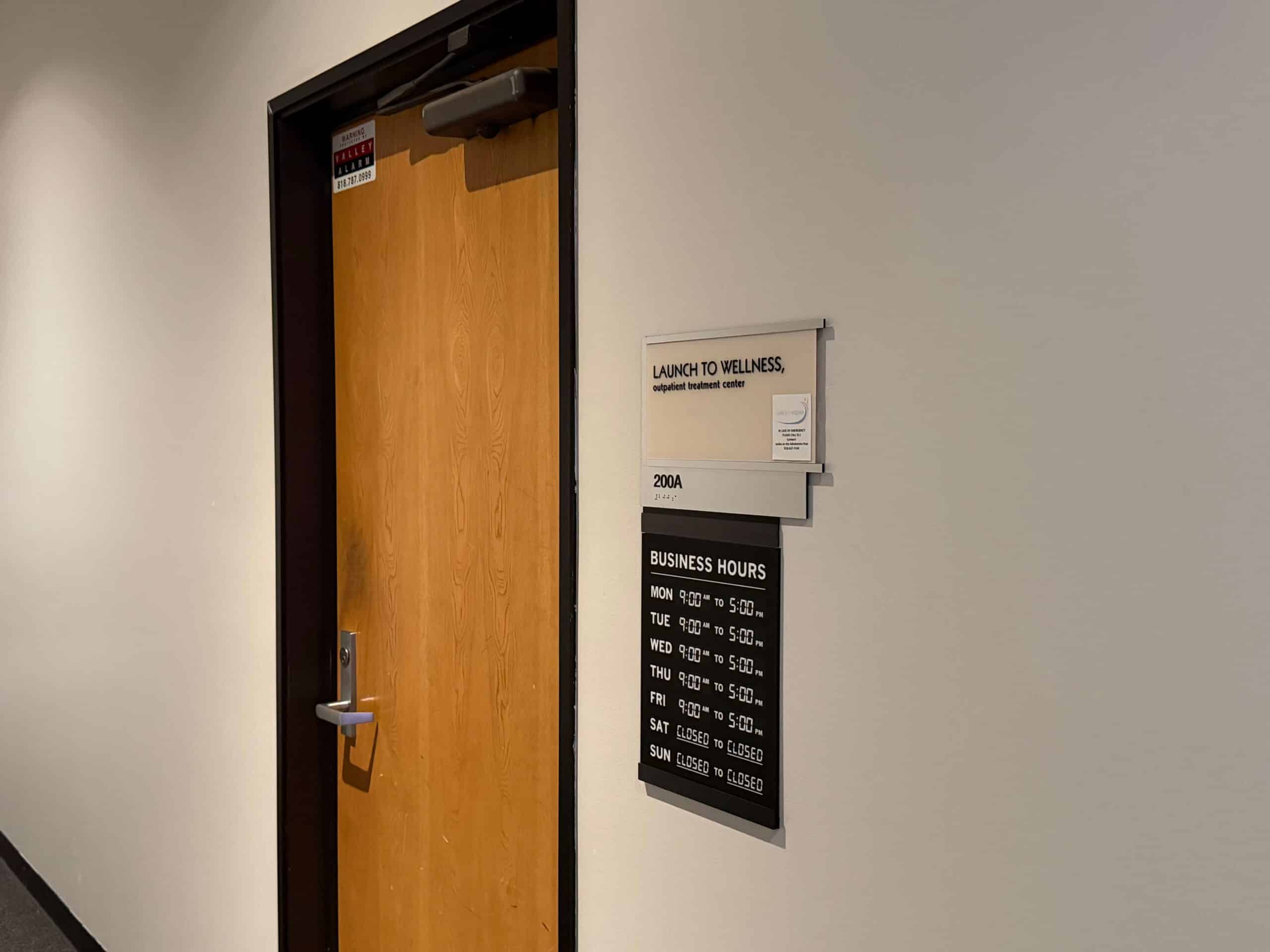
Launch To Wellness

Where Healing Becomes Forward Motion

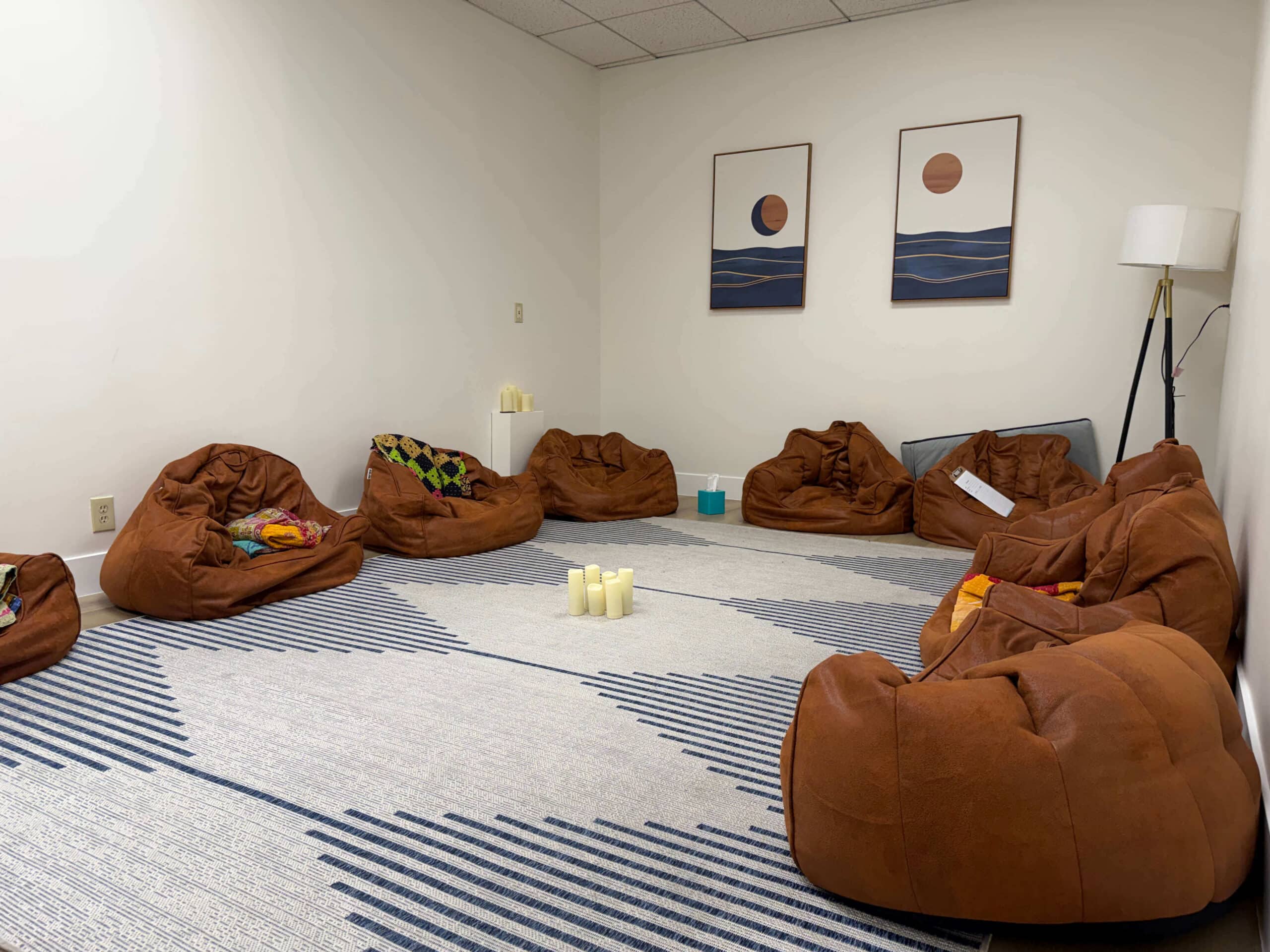
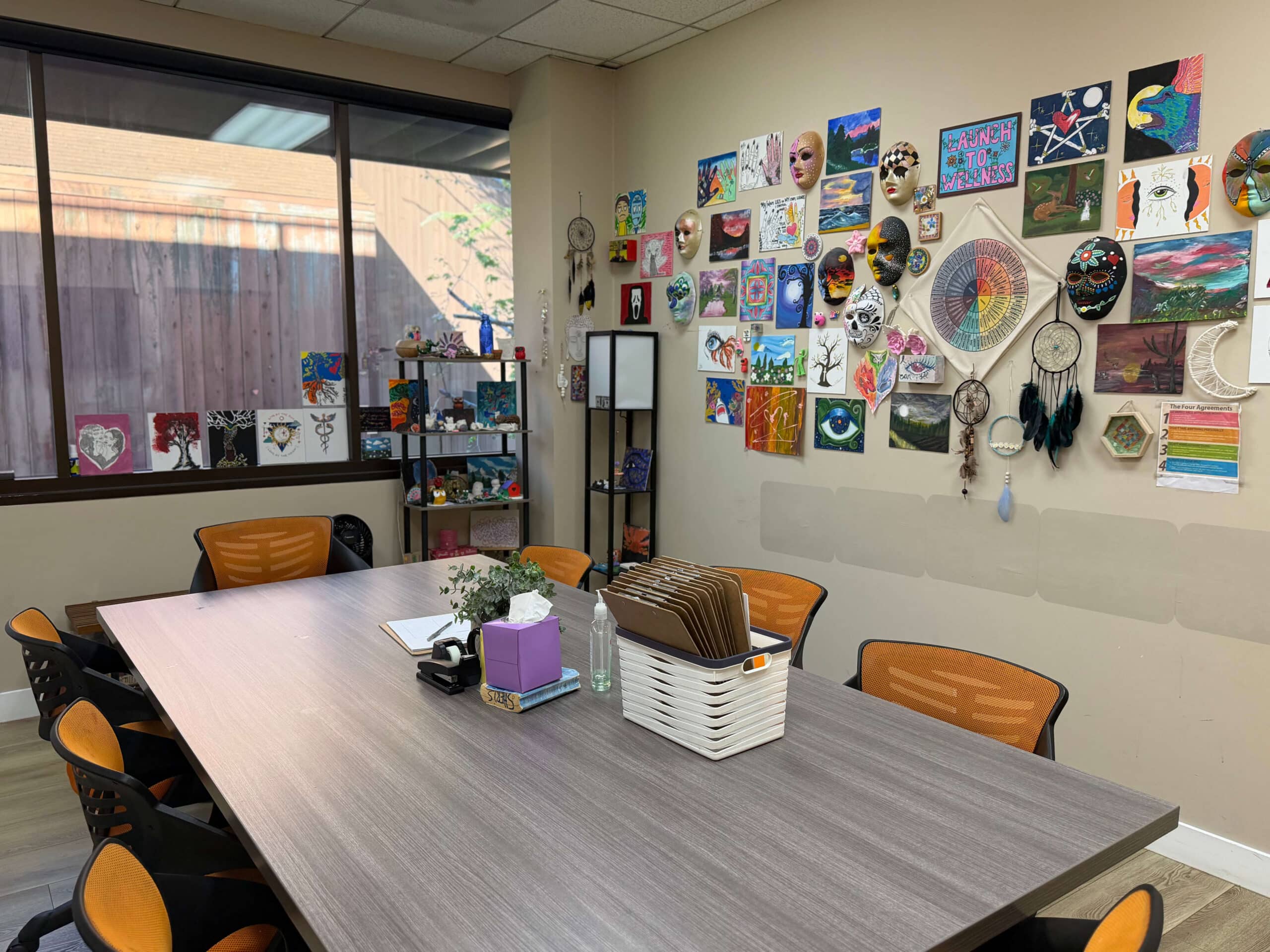
Group therapy space at Launch To Wellness
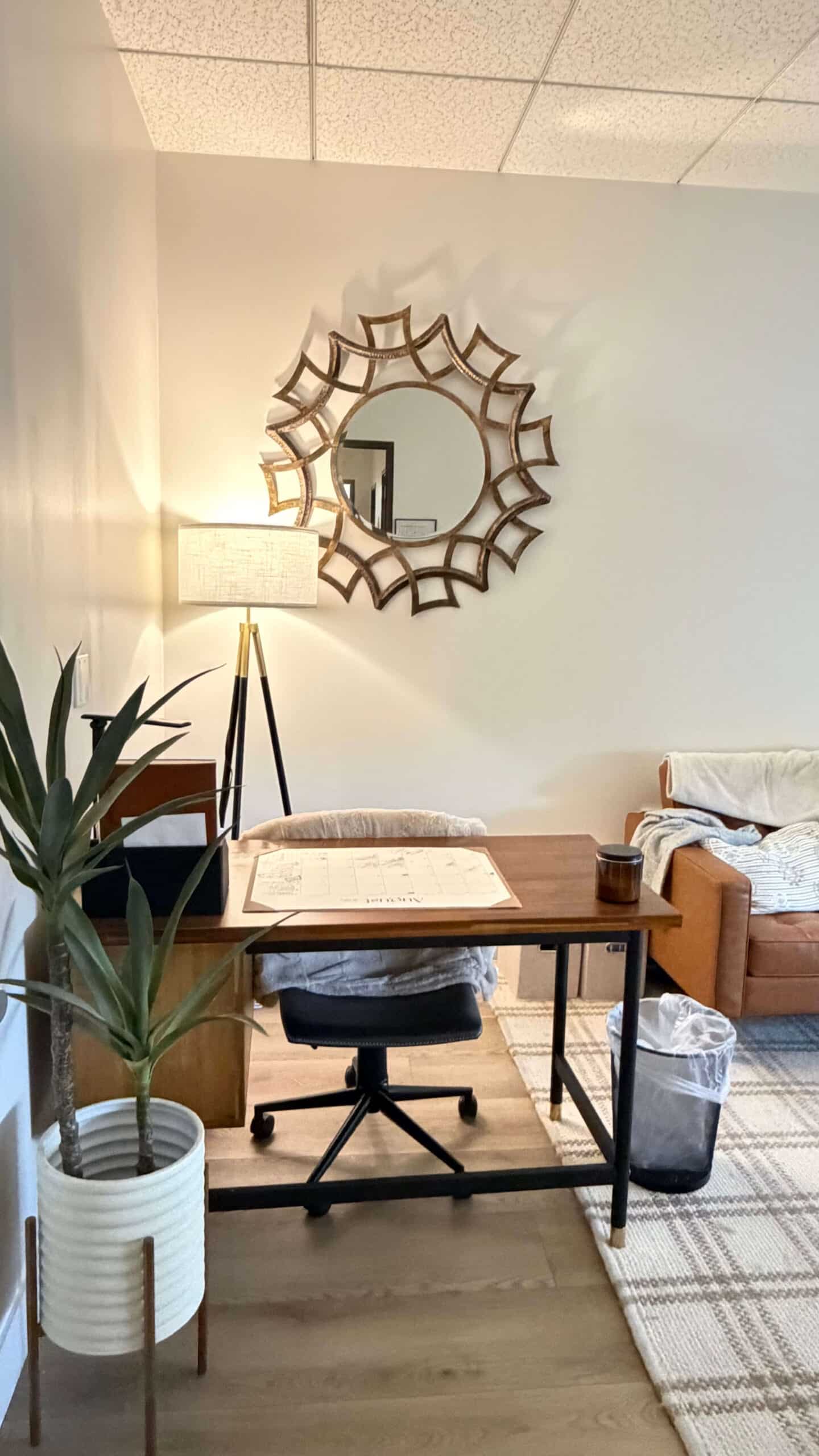
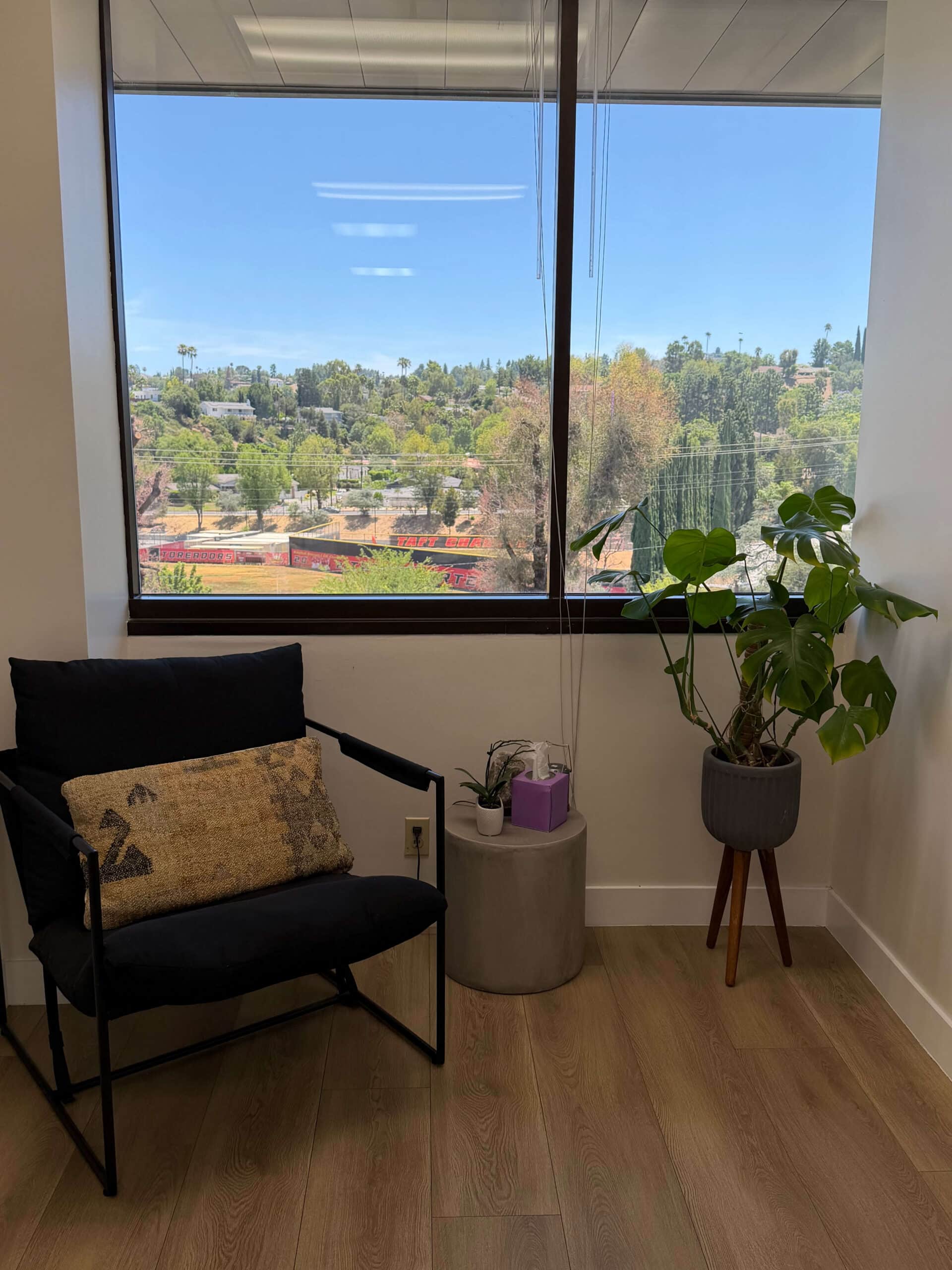
Treatment room interior

ADHD Treatment

ADHD Treatment

Difficulty with focus, organization, or impulse control that affects daily functioning, treated in adults, not just described for children.
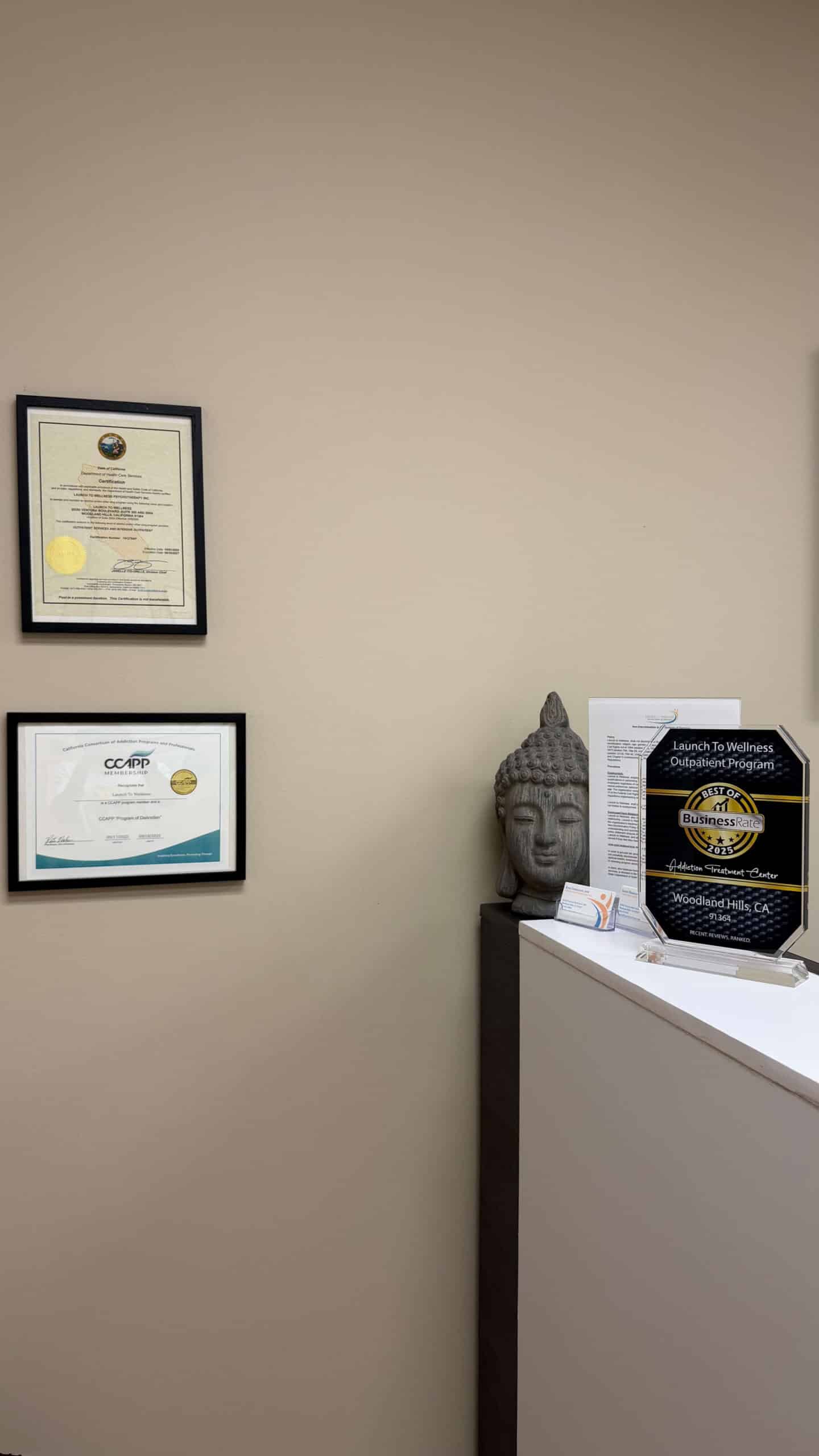
Framed professional certificates on the wall
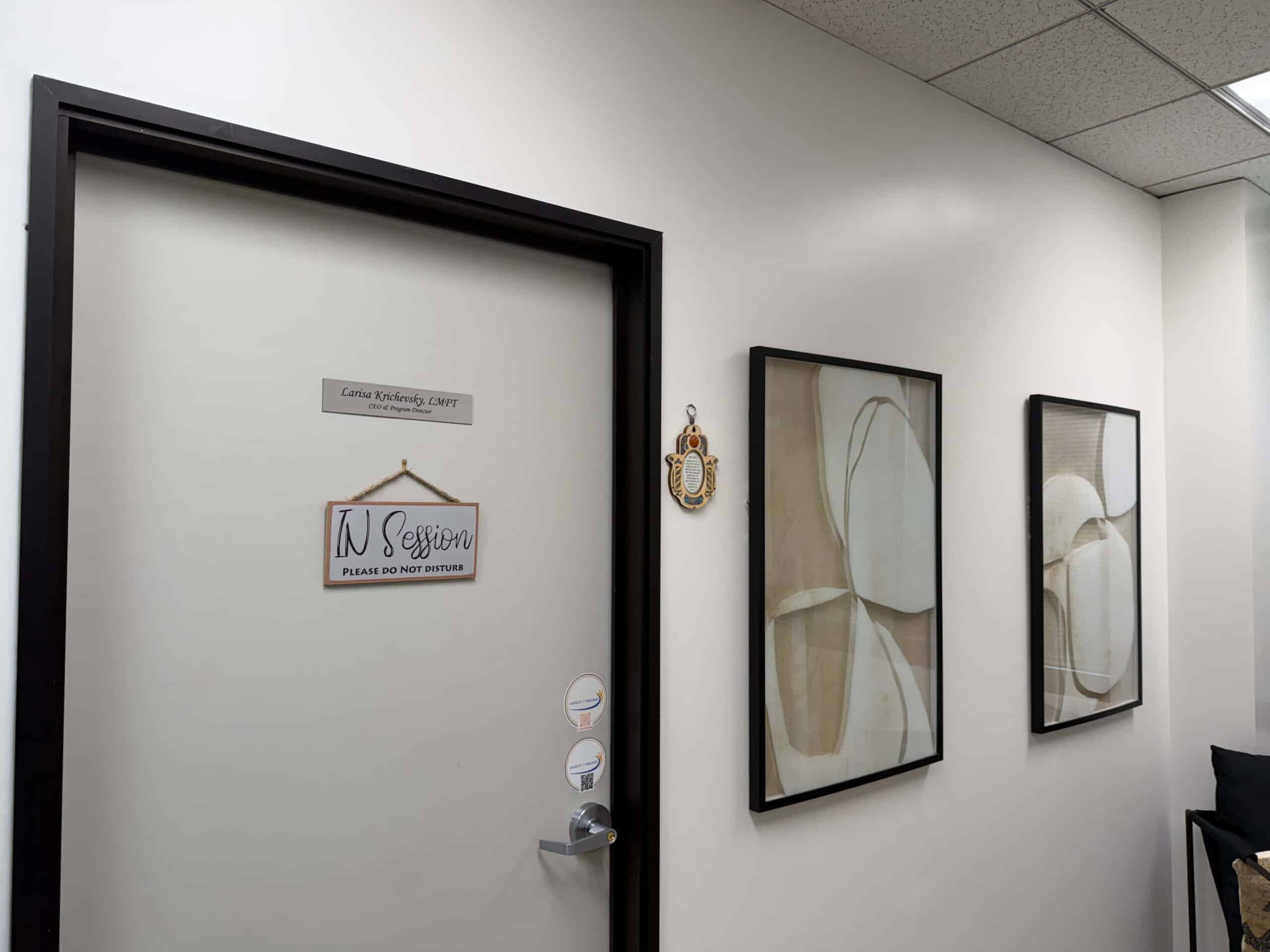
Office door and hamsa on the wall beside it
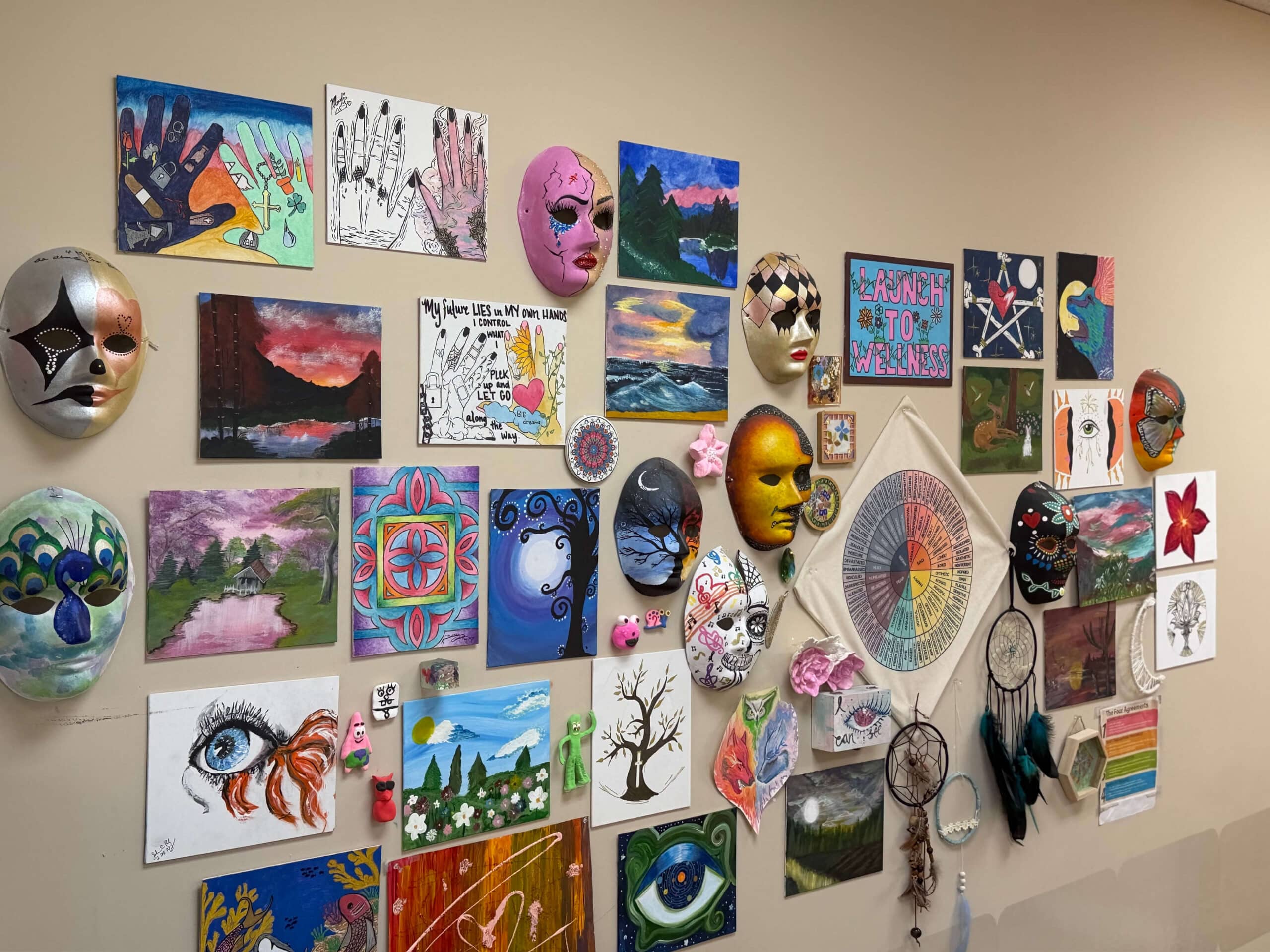
Artwork displayed on the studio wall
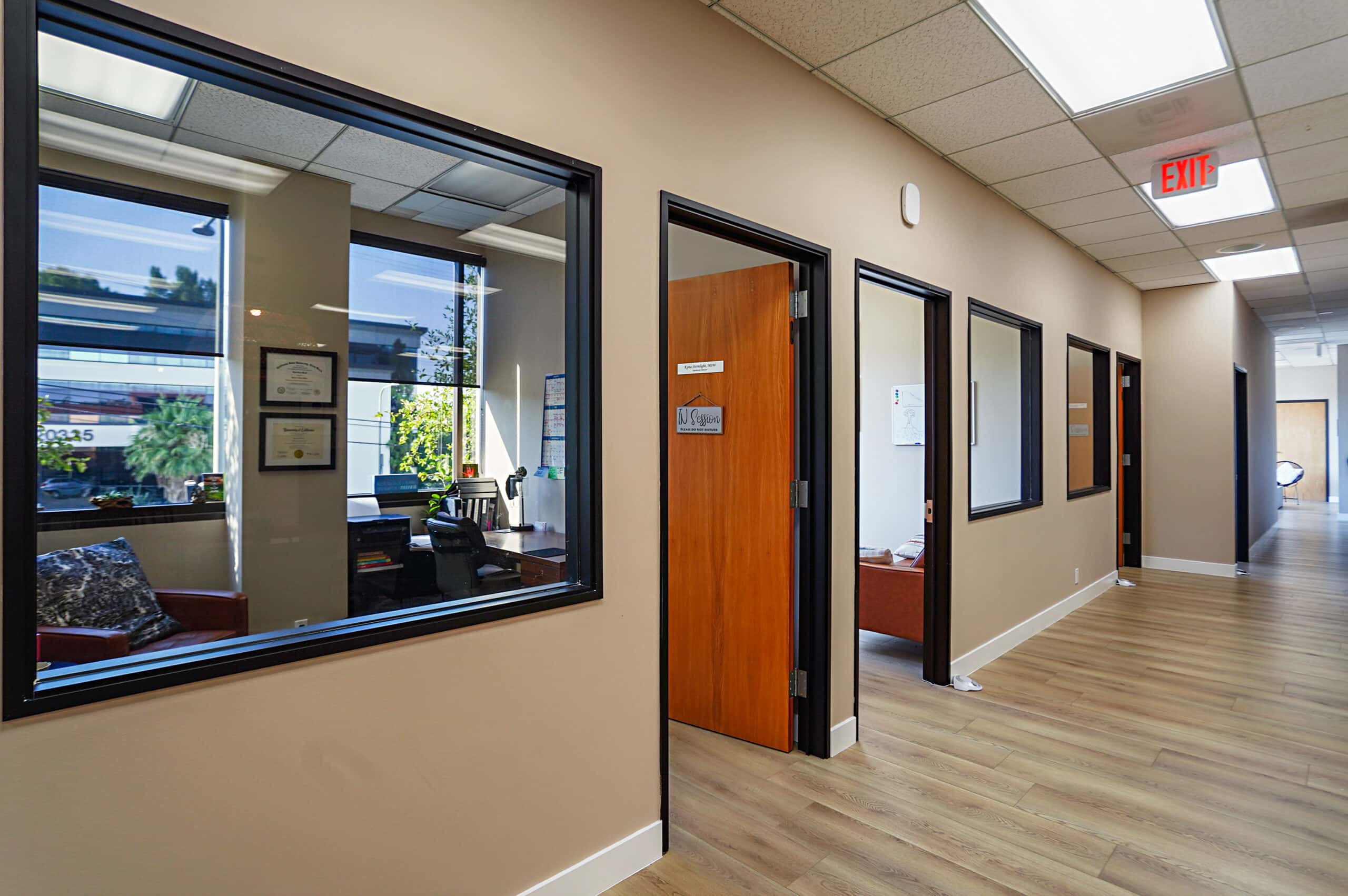
Therapy office at Launch To Wellness
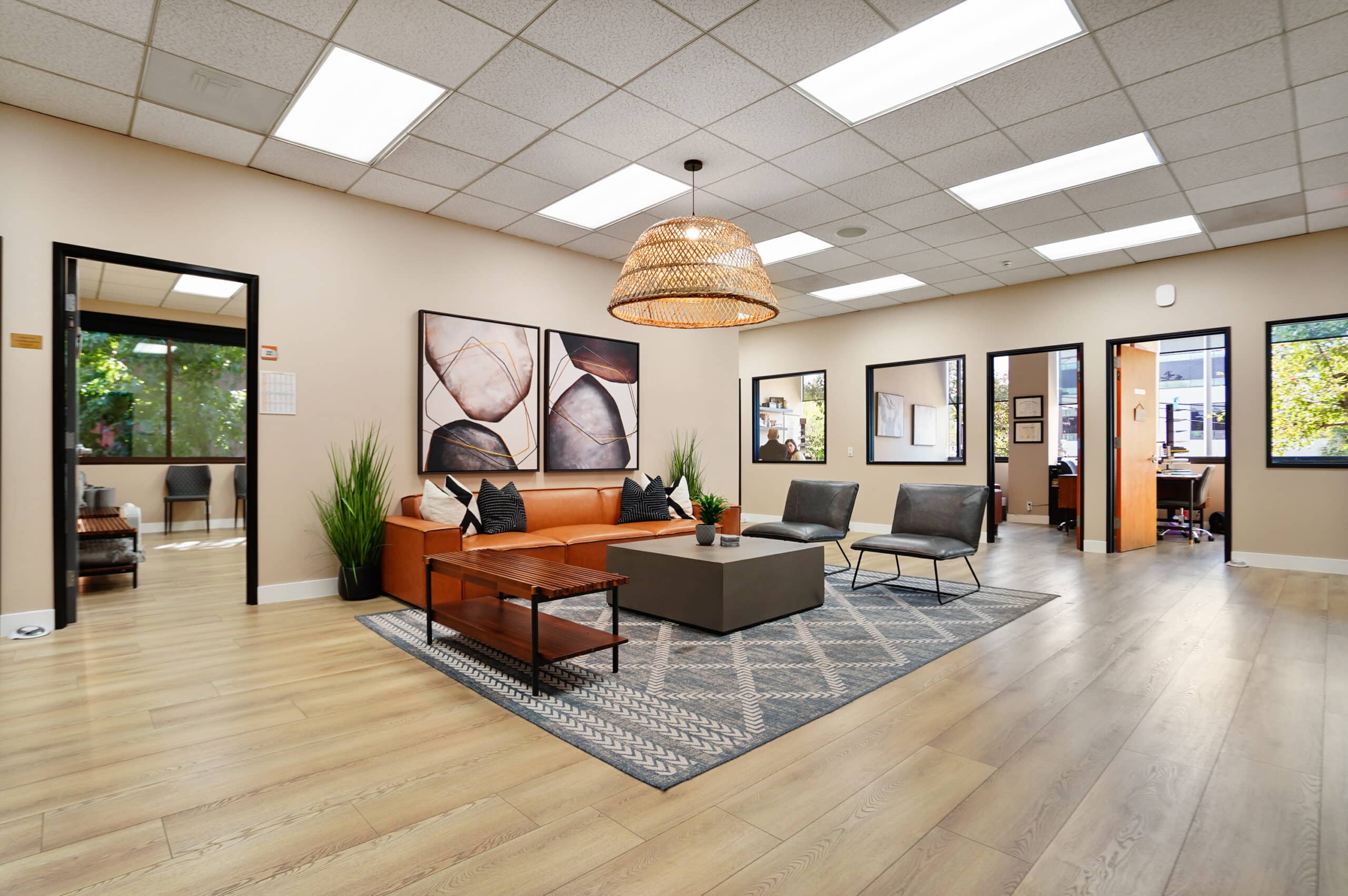
Clinical meeting space

ADHD

When Focus Won’t Hold Still.

Everyone loses their keys or drifts off in a meeting. ADHD is different in degree and persistence: attention that scatters no matter how hard someone tries, restlessness that never quite settles, impulses that move faster than the plan. It is not a lack of effort or intelligence. It is a difference in how the brain manages attention, time, and follow-through.

Left unaddressed, the cost compounds. Deadlines slip, relationships absorb the missed details, and self-criticism grows loud. Treatment changes that arc. With accurate assessment, skills built around the way your mind actually runs, and medication support where it helps, focus becomes something you can direct rather than chase.

Presentations of ADHD We Treat

ADHD Shows Up in More Than One Way.

Mental health treatment Start admissions

Our approach to ADHD — Launch To Wellness

Individualized to you

Our Approach To ADHD

01

Individual Therapy

One-on-one work with your primary therapist, focused on how ADHD actually shows up in your life.

02

Cognitive Behavioral Therapy (CBT)

Structured tools for planning, follow-through, and quieting the noise that gets in the way.

03

Psychoeducation

A clear picture of how ADHD works in your brain, so the plan makes sense instead of feeling like guesswork.

04

Group Therapy

Sessions with others building the same skills, where slipping up isn’t a setback, it’s the process.

05

Medication Management

Coordinated care with a prescriber when medication is part of the plan, reviewed and adjusted as you go.

06

Mindfulness Practices

Simple tools for catching your attention before it wanders too far.

07

Stress Management Skills

Ways to lower the pressure that makes focus even harder to find.

08

Family Therapy

Bringing in the people closest to you, when their understanding changes how the day-to-day goes.

09

Relapse Prevention Planning

A plan for the weeks that get chaotic, built before they happen, not during.

Mental health treatment Start admissions

What Causes ADHD — Launch To Wellness

What causes ADHD?

Wired, Not Willful.

ADHD is a difference in brain development, present from early in life, not a result of poor discipline or too much screen time. Several factors shape how strongly it shows up.

Contributing factors may include

Understanding what shapes ADHD helps us build a plan around how your brain actually works. See Mental Health Treatment.

How ADHD Affects Daily Life

When ADHD Goes Untreated.

A mind that jumps three steps ahead, or won’t leave the same thought alone. Tasks started with real intention and abandoned halfway through. Time that moves differently, deadlines that arrive as a surprise. These symptoms reach into every corner of daily life. Our evidence-based treatment builds structure that sticks, sharpens focus, and rebuilds the follow-through ADHD makes difficult to sustain.

01

Relationships

01

Relationships

Forgotten commitments, interrupting conversations, and frustration from loved ones who feel unheard or deprioritized.

02

Work & School

02

Work & School

Missed deadlines, disorganization, and difficulty sustaining focus on tasks that aren’t immediately engaging.

03

Physical Health

03

Physical Health

Restlessness, disrupted sleep, and a body that struggles to settle even when the mind is tired.

04

Mental Health

04

Mental Health

ADHD frequently occurs alongside anxiety, depression, and low self-esteem built up over years of struggle.

Our approach to ADHD — Launch To Wellness

Individualized to you

Our Approach To ADHD

01

Individual Therapy

One-on-one work with your primary therapist, focused on how ADHD actually shows up in your life.

02

Cognitive Behavioral Therapy (CBT)

Structured tools for planning, follow-through, and quieting the noise that gets in the way.

03

Psychoeducation

A clear picture of how ADHD works in your brain, so the plan makes sense instead of feeling like guesswork.

04

Group Therapy

Sessions with others building the same skills, where slipping up isn’t a setback, it’s the process.

05

Medication Management

Coordinated care with a prescriber when medication is part of the plan, reviewed and adjusted as you go.

06

Mindfulness Practices

Simple tools for catching your attention before it wanders too far.

07

Stress Management Skills

Ways to lower the pressure that makes focus even harder to find.

08

Family Therapy

Bringing in the people closest to you, when their understanding changes how the day-to-day goes.

09

Relapse Prevention Planning

A plan for the weeks that get chaotic, built before they happen, not during.

Mental health treatment Start admissions

Co-Occurring Disorders — Specific overlaps | Launch To Wellness

The overlap, by name

Four Names for One Clinical Picture.

Each label points to mental health and substance use happening at the same time — treated as one plan, not two tracks.

What Makes Our Approach Different | Launch To Wellness

Our approach

What Makes Our Approach Different

If you are comparing outpatient treatment centers in Los Angeles, you have already seen the same three phrases on every site: compassionate staff, evidence-based care, individualized attention. All of it is usually true, and none of it helps you choose.

Here is what distinguishes Launch To Wellness, an outpatient mental health and substance use treatment center in Woodland Hills serving the San Fernando Valley and greater Los Angeles, described specifically enough that you can ask us about any of it before you decide.

  • Co-occurring mental health and substance use conditions are addressed in one treatment plan by one team. You will not be told your depression is out of scope, or that you need to get sober first before anyone will treat your trauma. Both are worked on from day one.

  • Your therapist, psychiatric provider, and case manager work in the same Woodland Hills building and stay in the same conversation about your care. Clinical staff meet regularly to review each client’s progress, so your plan changes when your situation changes rather than six weeks later.

  • We do not run everyone through the same sequence of worksheets. Your treatment plan is built from your clinical assessment, your history, your goals, and what has already failed you. Two people in the same program on the same day are often working on very different things.

  • Outpatient treatment means you practice what you learn where it actually matters, which is at home, at work, and with your family. Skills are tested against real life every evening and reviewed the next day. For many adults that is not a compromise, it is the more durable path.

  • Recovery rarely happens in isolation, and families often need support of their own. Family education and involvement are offered as part of the treatment plan, with your consent and on your terms.

  • For adults whose depression has not responded to medication, transcranial magnetic stimulation is a non-invasive, FDA-cleared option for treatment-resistant depression. Having TMS therapy available in house means we can change course without sending you somewhere else.

  • Your progress is tracked with validated clinical assessments at regular intervals, not only by how you describe your week. When the measures stop moving, your treatment plan changes.

Why Launch To Wellness — Levels of care | Launch To Wellness

Programs

Levels of Care

Momentum moves through four levels — PHP, IOP, Virtual IOP, then OP. Each hang is a step, not a guess.

01

Partial hospitalization

The most structured outpatient week. Five days, evenings at home.

Learn more

02

Intensive outpatient

Real structure, fewer days, built around work, school, or family.

Learn more

03

Virtual intensive outpatient

The same IOP program and clinical team, delivered across California.

Learn more

04

Outpatient

The lightest level. Ongoing support at a lower weekly frequency.

Learn more
Four Categories, One Team | Launch To Wellness

What We Treat, By Category

Four Categories, One Team.

Every plan starts with a category, then gets built around the specific condition inside it.

Mental Health

Depression, anxiety, trauma, and the broader range of conditions we treat clinically, not just the most commonly searched ones. Every plan is built around the specific condition, not a generic mental health track everyone moves through the same way.

01 / 04
Why Launch To Wellness — Our Admissions Process | Launch To Wellness

How admissions works at Launch To Wellness

Our Admissions Process

Admissions here doesn't start with paperwork or a decision you have to commit to on the spot. It starts with a real conversation, and everything after that unfolds one confirmed step at a time.

Start a Clinical Assessment Back to About

Why Launch To Wellness — Insurance | Launch To Wellness

In-Network & Out-of-Network

We Work With Most Major Insurance Providers

Chances are, your plan is covered. Verify your benefits in minutes — confidentially and with no obligation.

Verify Your Benefits

Don't see your provider? We likely still work with them out-of-network — and self-pay options are available if you prefer to keep care private. Let's check.

Why Launch To Wellness — Closing badges | Launch To Wellness

Get Started

You Don't Have To Figure This Out Alone

One call is enough to get real answers, not a sales pitch. Whether you're ready to schedule a clinical assessment or you just have questions, we're here.

Start a Clinical Assessment Call (424) 327-4040

  • Joint Commission National Quality Approval gold seal

    Joint Commission Accreditation, National Gold Seal of Approval, ID 700145

    National Gold Seal of Approval

    ID: #700145 Effective: 10/27/2023 Expires: 10/27/2026
Frequently Asked Questions | ADHD Treatment | Launch To Wellness

Common Questions

ADHD FAQ.

Clear answers to the questions clients and families ask most. Still unsure about something? Our admissions team is here to help.

  • ADHD is a recognized mental health condition
  • Adults can have ADHD — diagnosis is not only for children
  • Plans can address anxiety, depression, and more
Is ADHD a Mental Illness?

ADHD is classified as a neurodevelopmental disorder that affects attention, executive functioning, and self-regulation. It is a recognized mental health condition that can be effectively managed with treatment.

Can Adults Have ADHD?

Yes. Many individuals continue experiencing ADHD symptoms into adulthood, and some are not diagnosed until later in life.

Is ADHD Treatable?

Yes. Therapy, skill-building interventions, lifestyle modifications, and medication management can significantly improve symptoms and functioning.

Can ADHD Occur Alongside Anxiety or Depression?

Yes. ADHD commonly co-occurs with anxiety, depression, trauma-related disorders, and substance use disorders.

Do I Need Medication to Treat ADHD?

Not necessarily. Treatment plans vary based on individual needs. Many people benefit from therapy and behavioral strategies, while others may find medication helpful as part of a comprehensive approach.

Struggling With Focus, Organization, or Impulsivity | Launch To Wellness

Get Support

Struggling With Focus, Organization, or Impulsivity?

ADHD can affect every aspect of daily life, but support is available. Our team can help you better understand your symptoms, explore treatment options, and develop strategies that support long-term success.

A real conversation, not a commitment

The assessment is confidential and free, with no obligation attached.

One team, start to finish

The same clinicians treat you across every level of care.

A plan built around you

Not a template everyone moves through the same way.