
Launch To Wellness

Where Healing Becomes Forward Motion

For Families

The Crisis Ended. Your Nervous System Did Not Get The Message.

Families often arrive expecting relief and find something else: a household still braced for a phone call that is not coming any more. That reaction is not ingratitude. It is what sustained stress leaves behind.

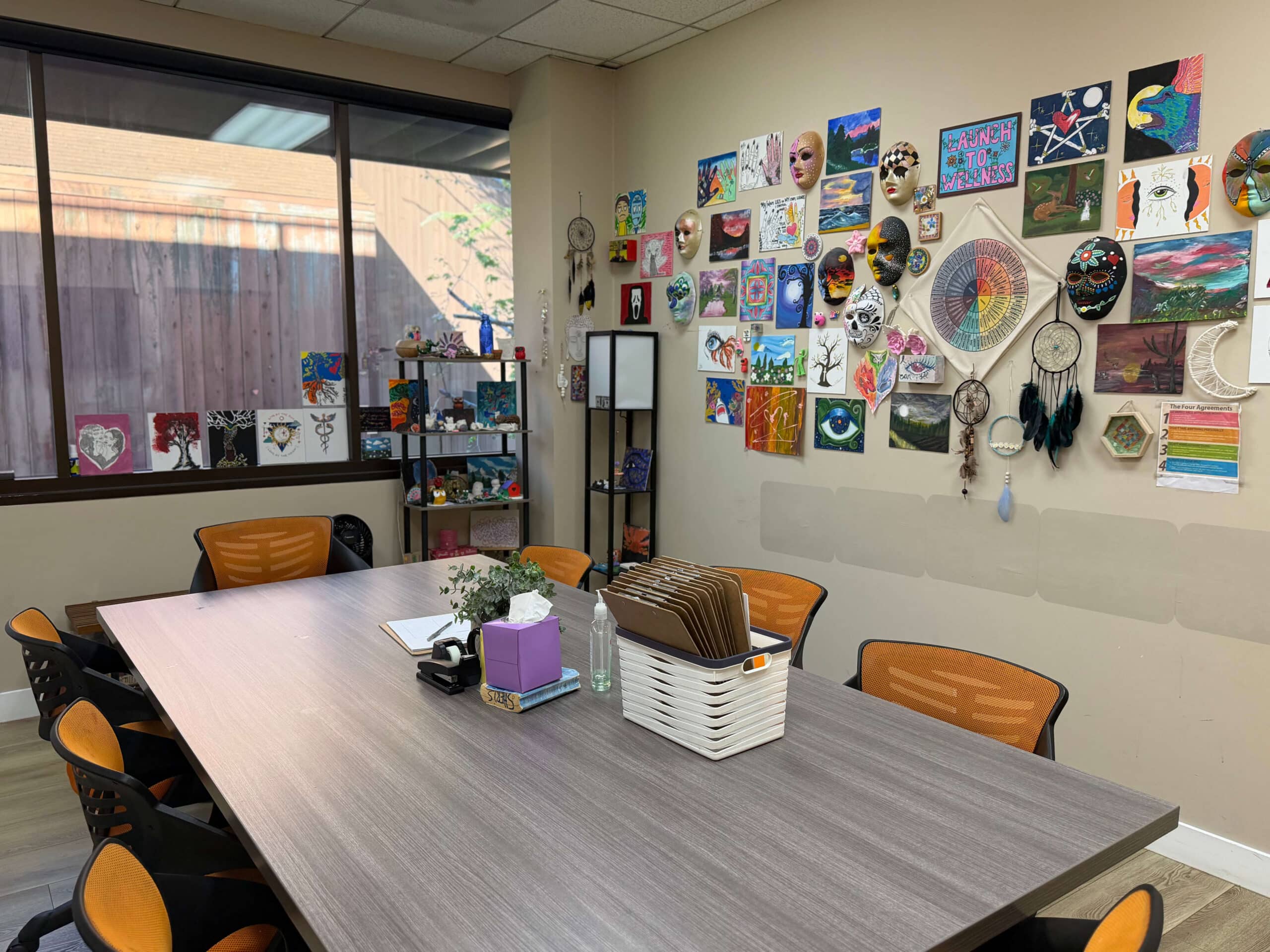
Group therapy space at Launch To Wellness
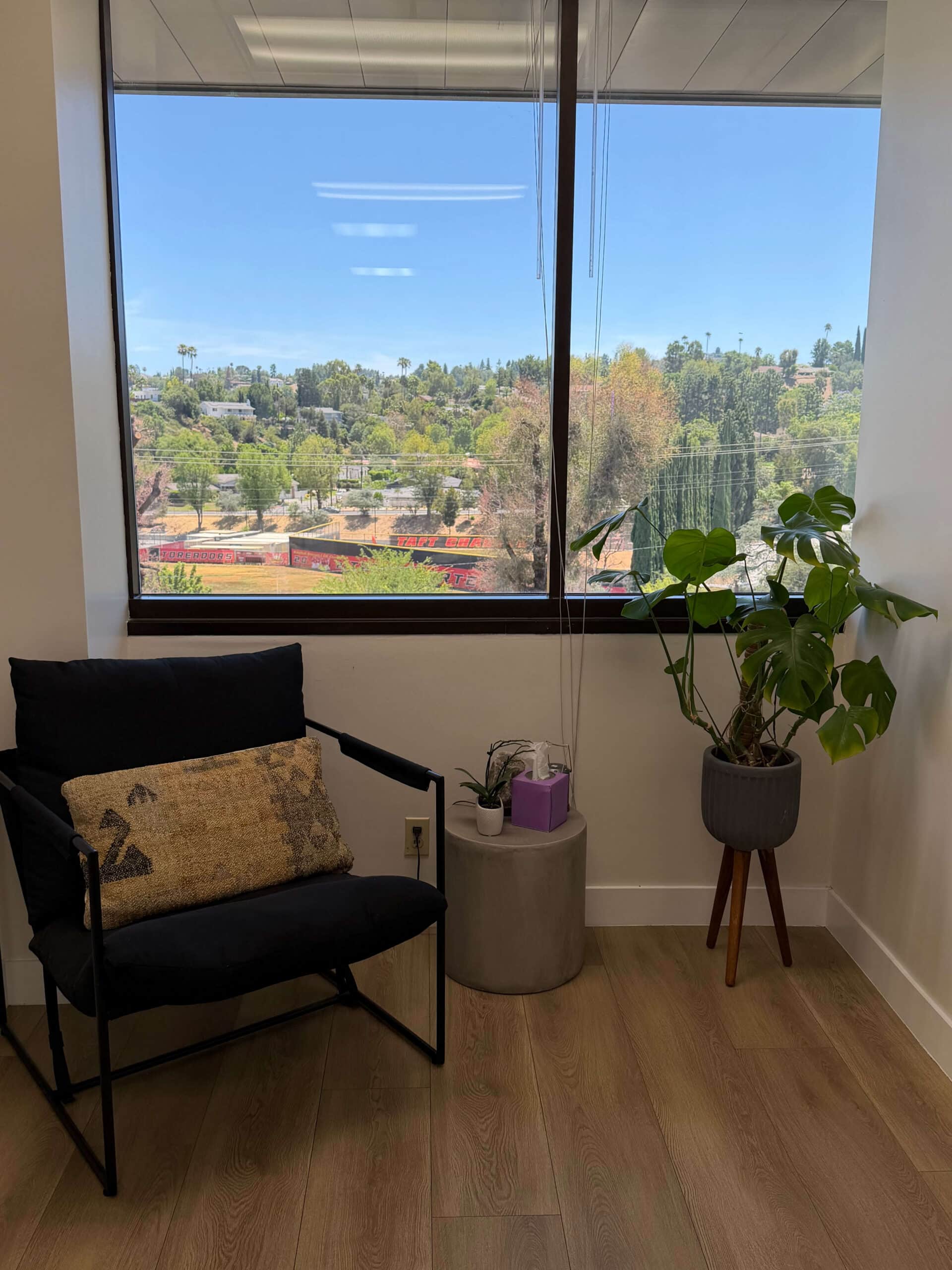
Treatment room interior
Therapy office at Launch To Wellness
Clinical meeting space

What We Mean by Family Trauma

Living On Alert For Years Changes How A Household Works.

Family therapy session at Launch To Wellness

This page uses trauma in its ordinary clinical sense: the lasting effect of experiences that overwhelmed a person’s capacity to cope at the time. For families around addiction and mental illness, that is rarely one event. It is more often a long run of smaller ones, none of which got processed because the next thing was already happening.

Trauma-informed treatment is one of the things Launch To Wellness names as setting its care apart. In practice it means the question behind the work is what happened to you, not what is wrong with you.

It is worth saying plainly: nothing on this page is a diagnosis, and nothing here can tell you whether what your family experienced meets a clinical threshold. Only an assessment with a licensed clinician can do that.

How It Shows Up

What Families Actually Notice

Not a checklist and not a diagnosis. These are the things people describe when asked what is different now.

Waiting for the Next Thing Good stretches feel provisional. Some families describe being unable to enjoy a calm month because they are busy bracing against what might follow it.
Anger That Arrives Late Often absent during the worst of it and present afterwards. It is a common sequence, and it tends to alarm the person feeling it more than anyone else.
Difficulty Being Cared For After years of being the reliable one, having attention turned toward you can feel uncomfortable rather than welcome.
Patterns With Long Roots Families often notice that some of what they are describing did not begin with this illness, and did not begin with this generation either.

How It Accumulates

Why It Does Not Resolve on Its Own.

Each stage is a reasonable response to the one before it. Together they describe a household that has been running on alert for a long time.

  1. 01 · Vigilance

    Reading the Room Becomes Automatic

    You learn to detect a mood from a footstep or a text message tone. It is a genuine skill, developed for good reason, and it does not switch off when the reason goes away.

  2. 02 · Suppression

    Your Own Reactions Get Deferred

    When someone else’s crisis is always the largest thing in the room, your own responses get postponed. Deferred often enough, they stop registering as available.

  3. 03 · Rupture

    Trust Takes Damage that Plans Do Not Repair

    Promises that did not hold leave a mark. Hope starts to feel expensive. Families often describe wanting to believe someone and being unable to let themselves.

  4. 04 · Aftermath

    Stability Arrives and Does Not Feel Like Relief

    This is the part families are least prepared for. The danger recedes and what surfaces is everything that got postponed while it was happening.

In Practice

What Trauma-Informed Actually Changes.

The phrase appears on a great many treatment websites. Here is what it should mean concretely.

  1. You set it

    No one is required to recount the worst of it to prove it happened, or to move faster than they want to.

  2. What happened, not what is wrong

    Behavior that looks like overreaction is treated as an adaptation that made sense in context, and worked at the time.

  3. The household, not one patient

    Family-systems therapy treats the patterns the family developed together, rather than locating the problem in one person.

  4. Evidence-based trauma care

    When clinically appropriate, treatment can include EMDR, CPT, TF-CBT, and other trauma-focused approaches matched to the person and the pace they set.

What Family Therapy Involves

Who Sits in the Room

Family Means Whoever Is Actually In It.

The person in treatment decides who belongs in the room. Here is what tends to bring each of you in.

01 / Parents

When Care Has To Become Support

Your child is an adult now. The instinct to fix things may still be loud, but family therapy helps shift support from managing their life to standing beside their recovery.

Common Questions

Questions About Family Trauma.

These answers are general information. Only an assessment can speak to your family.

  • Feeling worse after stability is common
  • Pace of the work is yours to set
  • Adaptation is not the same as damage
Can a Family Member Get Help if They Are Not the One With the Addiction?

Whether Launch To Wellness can see a family member independently of an enrolled client is not documented in confirmed material. Ask our team directly and they will tell you what is possible.

Is It Normal to Feel Worse Once They Are Stable?

It is common. While a crisis is active, most people run on management. When the pressure drops, what was postponed tends to surface. Being unprepared for it is not a sign that something has gone wrong.

Do We Have to Talk About the Worst Parts?

Not to begin, and not to prove anything. Pace is something you set with your clinician.

Does This Mean Our Family Is Damaged?

No. It means a household under sustained strain adapted the way households do. Adaptations that are no longer needed can be changed, which is most of what the work consists of.

Related Reading

More for Families

The rest of this section, if you want to keep reading.

How Addiction Affects Families

What changes in a household, and why it outlasts the substance.

Learn More

Family Therapy

Family-systems therapy at Launch To Wellness, and what a session actually involves.

Learn More

Family Support Program

How families take part alongside PHP, IOP, OP and Virtual IOP.

Learn More

Supporting a Loved One in Treatment

What actually helps week to week while someone is in outpatient care.

Learn More

CRAFT and Tough Love

What the research says about which approach gets someone into treatment.

Learn More
Why Launch To Wellness — Levels of care | Launch To Wellness

Programs

Levels of Care

Momentum moves through four levels — PHP, IOP, Virtual IOP, then OP. Each hang is a step, not a guess.

01

Partial hospitalization

The most structured outpatient week. Five days, evenings at home.

Learn more

02

Intensive outpatient

Real structure, fewer days, built around work, school, or family.

Learn more

03

Virtual intensive outpatient

The same IOP program and clinical team, delivered across California.

Learn more

04

Outpatient

The lightest level. Ongoing support at a lower weekly frequency.

Learn more
Why Launch To Wellness — Insurance | Launch To Wellness

In-Network & Out-of-Network

We Work With Most Major Insurance Providers

Chances are, your plan is covered. Verify your benefits in minutes — confidentially and with no obligation.

Verify Your Benefits

Don’t see your provider? We likely still work with them out-of-network — and self-pay options are available if you prefer to keep care private. Let’s check.

The Team Behind the Care | Launch To Wellness

Meet Our Leadership

The Team Behind the Care

Our leadership stays closely connected to the care clients receive, guiding clinical quality, day-to-day operations, and the experience of every person who walks through our doors.

  • Portrait of Larisa Krichevsky

    LMFT

    Larisa Krichevsky

    CEO and Founder

  • Portrait of Kyna Sternlight

    MSW

    Kyna Sternlight

    Director of Operations

  • Portrait of Desiree Golbahar

    LMFT

    Desiree Golbahar

    Clinical Director

  • Portrait of Annie-Claire Lowen

    LMFT

    Annie-Claire Lowen

    Co-Clinical Director

Meet the clinicians, case managers, and support professionals who carry this standard of care into every client experience.

Meet the Full Team
Four Categories, One Team | Launch To Wellness

What We Treat, By Category

Four Categories, One Team.

Every plan starts with a category, then gets built around the specific condition inside it.

Mental Health

Depression, anxiety, trauma, and the broader range of conditions we treat clinically, not just the most commonly searched ones. Every plan is built around the specific condition, not a generic mental health track everyone moves through the same way.

01 / 04
Why Launch To Wellness — What Makes Our Approach Different | Launch To Wellness

Our approach

What Makes Our Approach Different

If you are comparing outpatient treatment centers in Los Angeles, you have already seen the same three phrases on every site: compassionate staff, evidence-based care, individualized attention. All of it is usually true, and none of it helps you choose.

Here is what distinguishes Launch To Wellness, an outpatient mental health and substance use treatment center in Woodland Hills serving the San Fernando Valley and greater Los Angeles, described specifically enough that you can ask us about any of it before you decide.

  • Co-occurring mental health and substance use conditions are addressed in one treatment plan by one team. You will not be told your depression is out of scope, or that you need to get sober first before anyone will treat your trauma. Both are worked on from day one.

  • Your therapist, psychiatric provider, and case manager work in the same Woodland Hills building and stay in the same conversation about your care. Clinical staff meet regularly to review each client’s progress, so your plan changes when your situation changes rather than six weeks later.

  • We do not run everyone through the same sequence of worksheets. Your treatment plan is built from your clinical assessment, your history, your goals, and what has already failed you. Two people in the same program on the same day are often working on very different things.

  • Outpatient treatment means you practice what you learn where it actually matters, which is at home, at work, and with your family. Skills are tested against real life every evening and reviewed the next day. For many adults that is not a compromise, it is the more durable path.

  • Recovery rarely happens in isolation, and families often need support of their own. Family education and involvement are offered as part of the treatment plan, with your consent and on your terms.

  • For adults whose depression has not responded to medication, transcranial magnetic stimulation is a non-invasive, FDA-cleared option for treatment-resistant depression. Having TMS therapy available in house means we can change course without sending you somewhere else.

  • Your progress is tracked with validated clinical assessments at regular intervals, not only by how you describe your week. When the measures stop moving, your treatment plan changes.

Why Launch To Wellness — Our Admissions Process | Launch To Wellness

How admissions works at Launch To Wellness

Our Admissions Process

Admissions here doesn’t start with paperwork or a decision you have to commit to on the spot. It starts with a real conversation, and everything after that unfolds one confirmed step at a time.

Start a Clinical Assessment Back to About

Get Started

You Don’t Have to Figure This Out Alone

One call is enough to get real answers, not a sales pitch. Whether you’re ready to schedule a clinical assessment or you just have questions, we’re here.

Start a Clinical Assessment Call (424) 327-4040

  • Joint Commission National Quality Approval gold seal

    Joint Commission Accreditation, National Gold Seal of Approval, ID 700145

    National Gold Seal of Approval

    ID: #700145 Effective: 10/27/2023 Expires: 10/27/2026