
Launch To Wellness

Where Healing Becomes Forward Motion

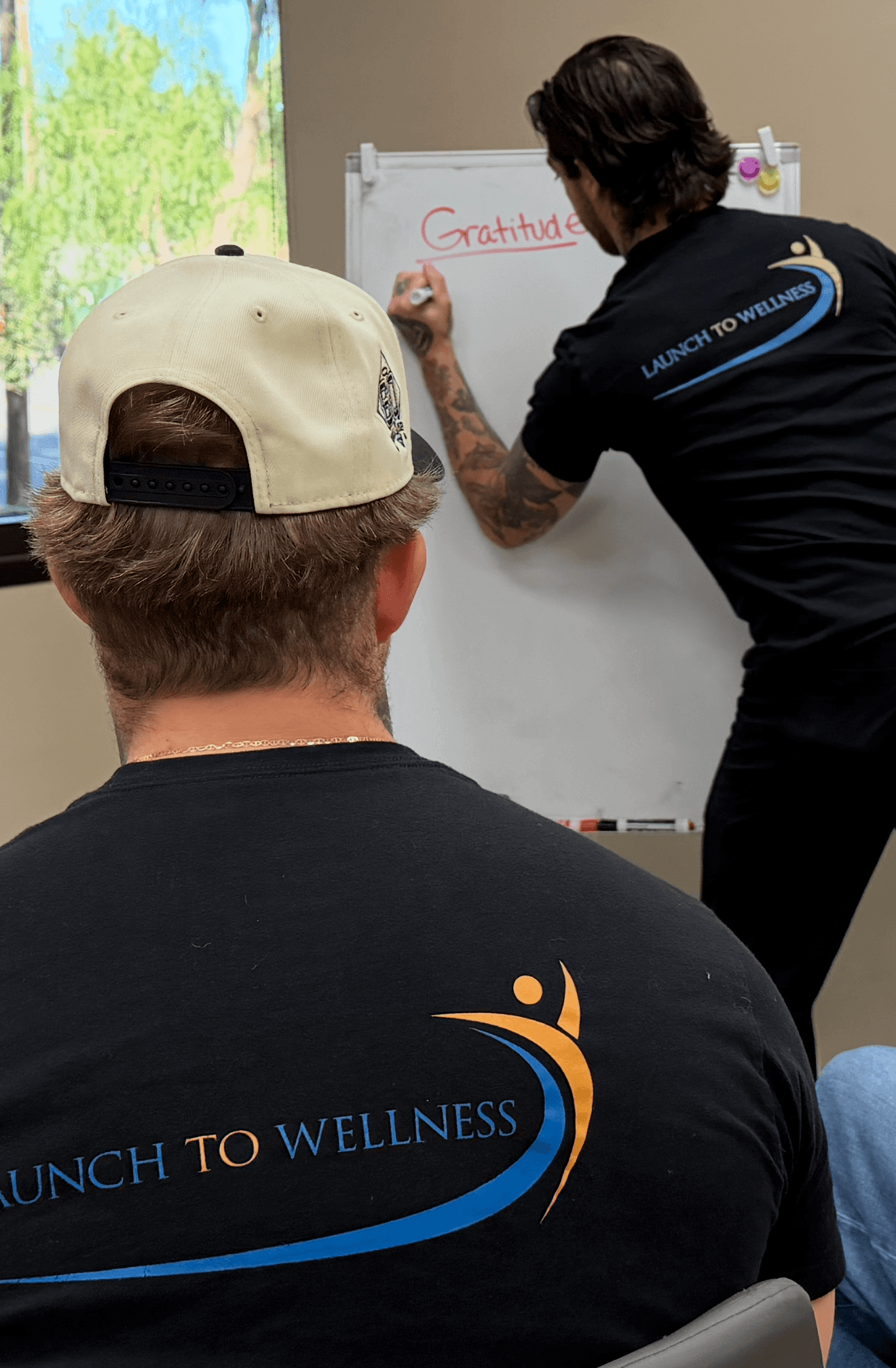
Group therapy space at Launch To Wellness
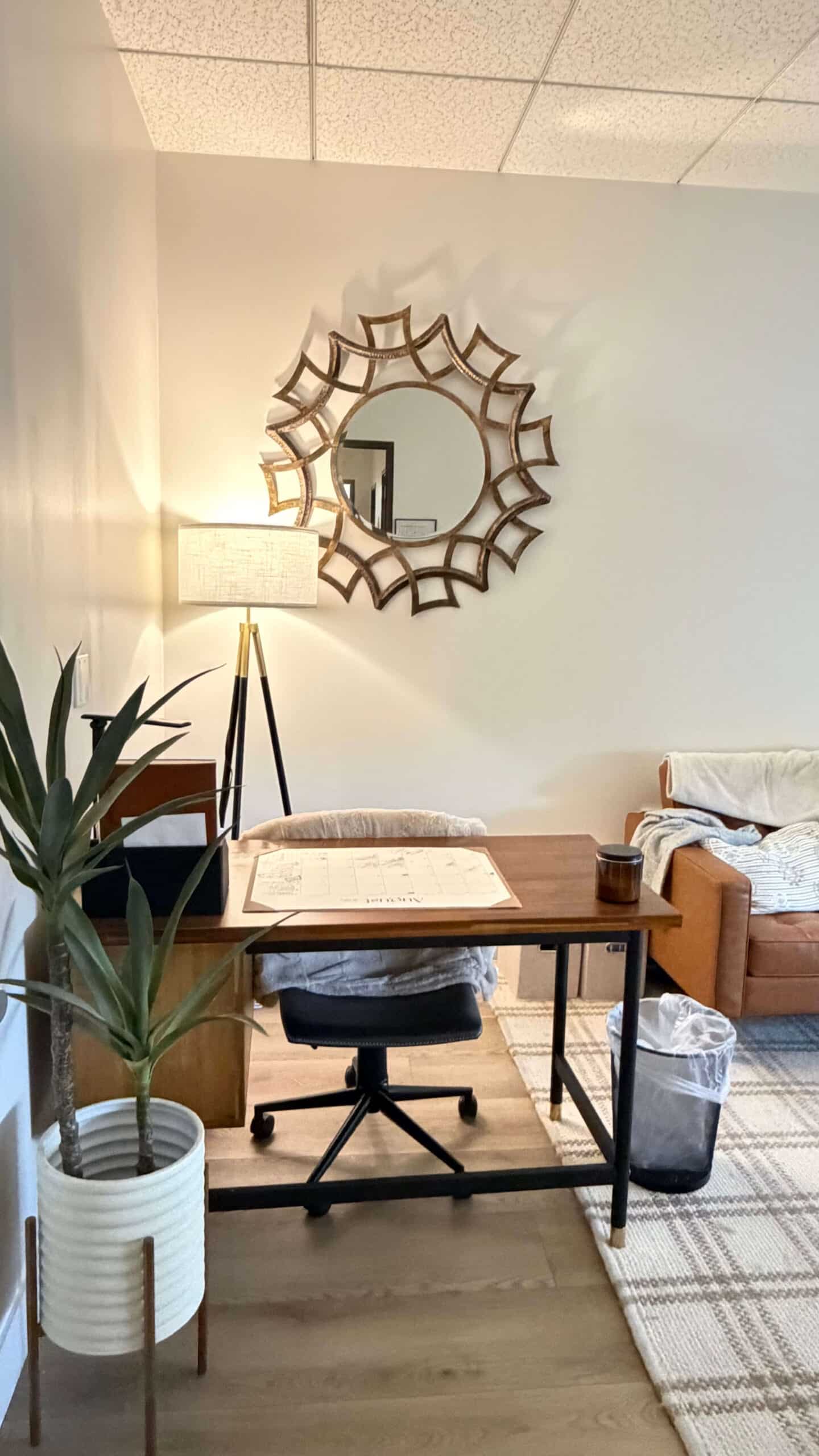
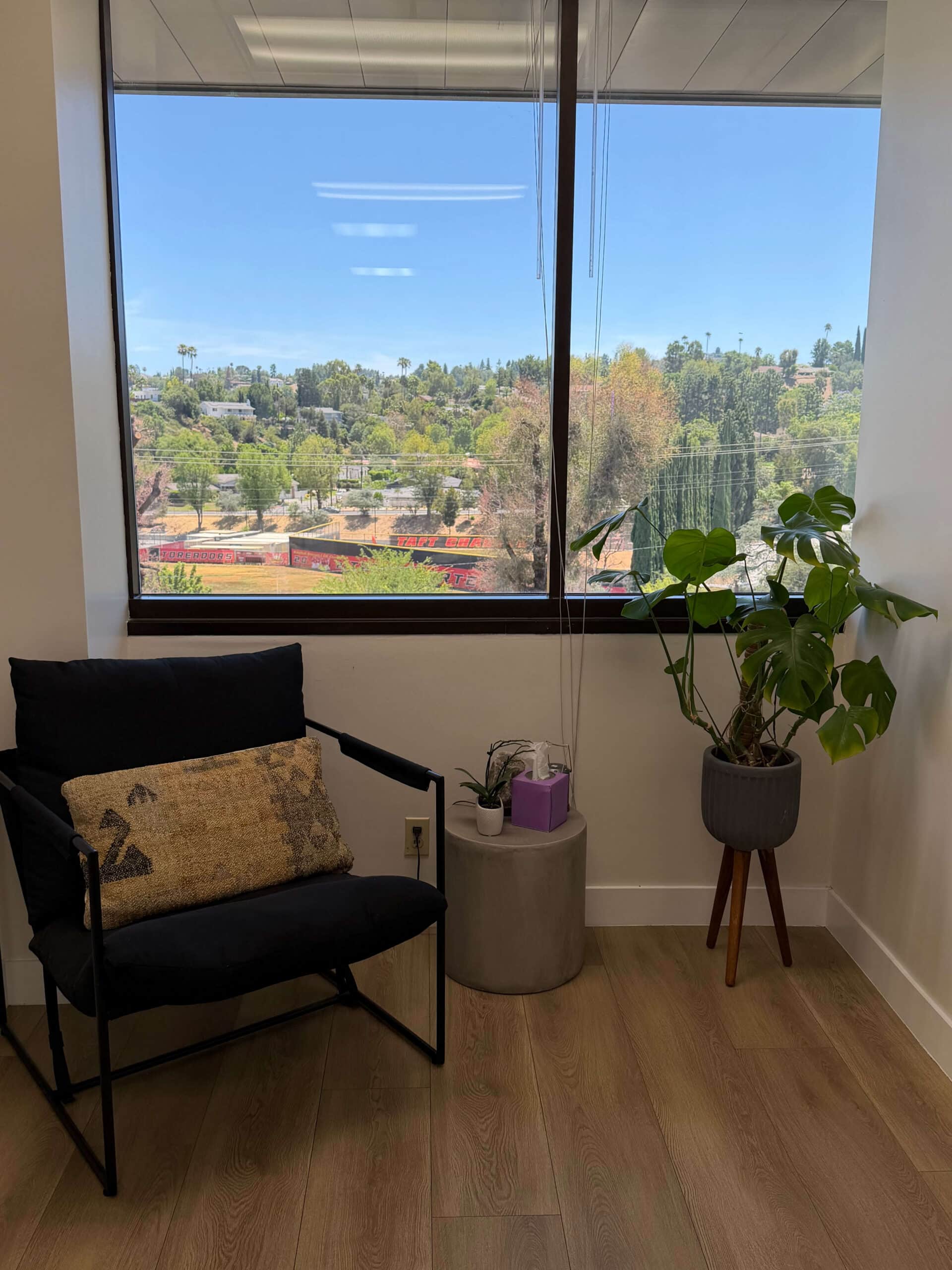
Treatment room interior

For Families

They Are In Treatment. You Are Still Living With The Situation.

Outpatient care means the person you are worried about comes home at the end of the day. That is the point of it, and it means the household is part of the week rather than waiting out a stay somewhere.
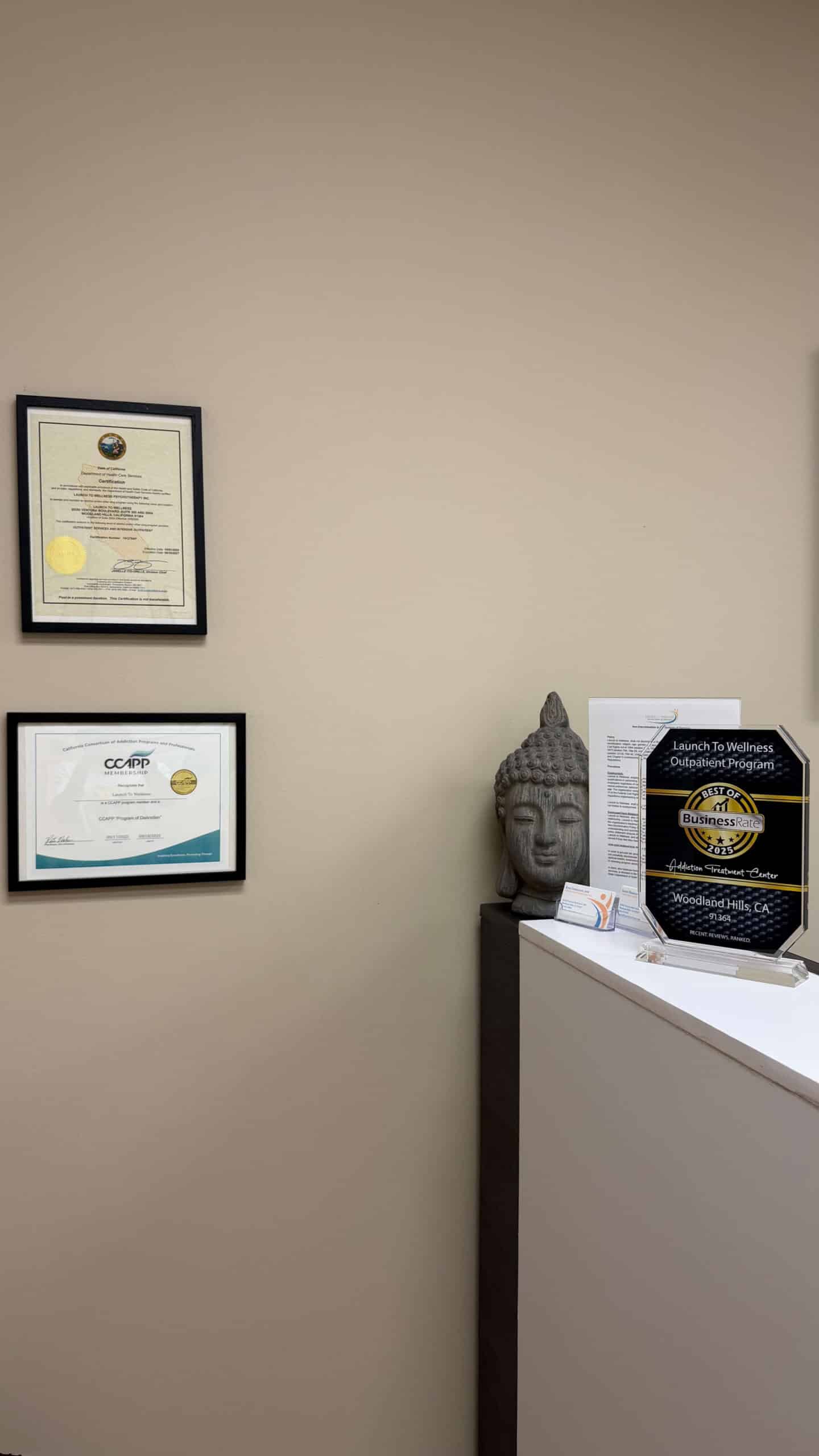
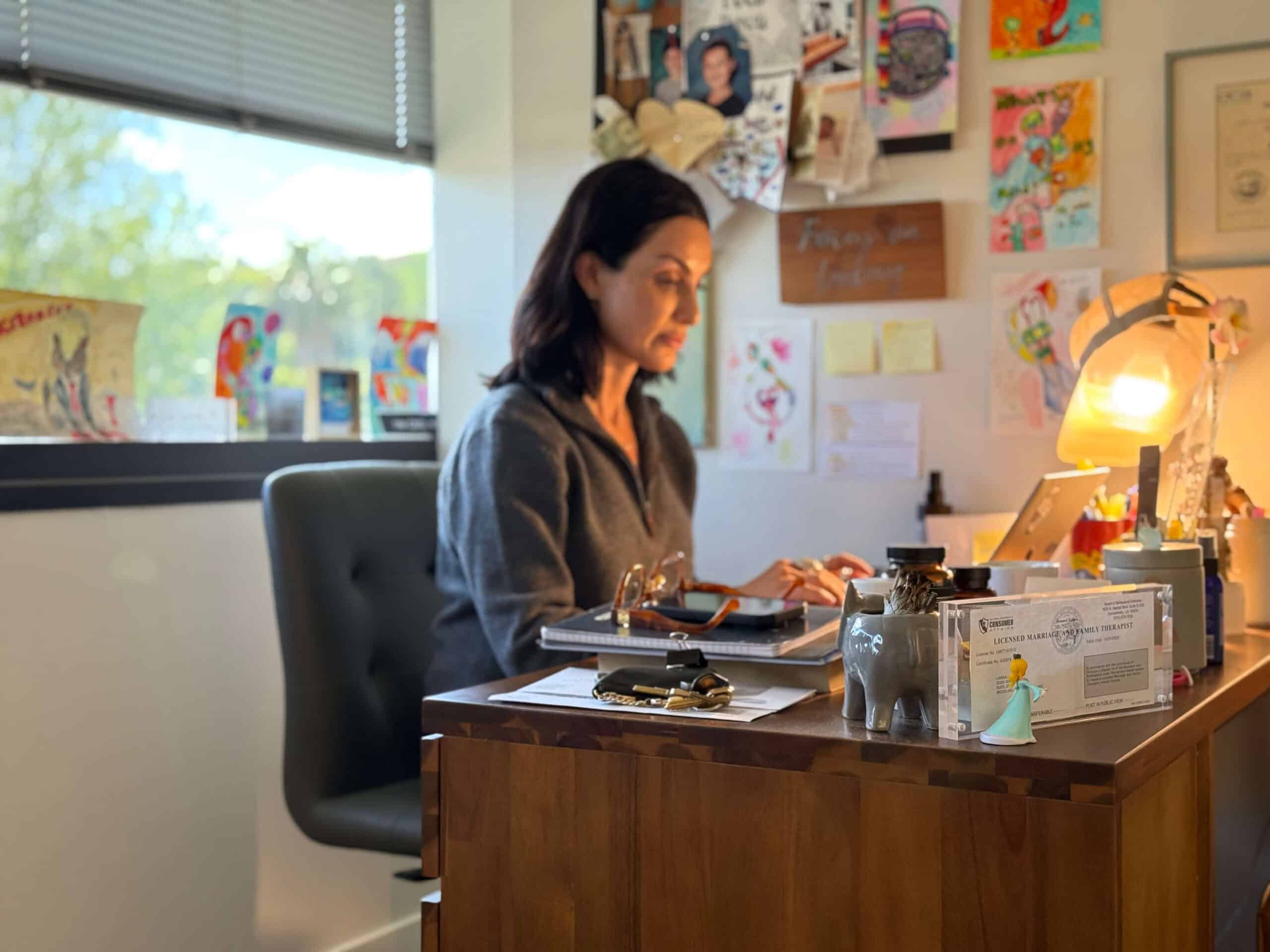
Framed professional certificates on the wall
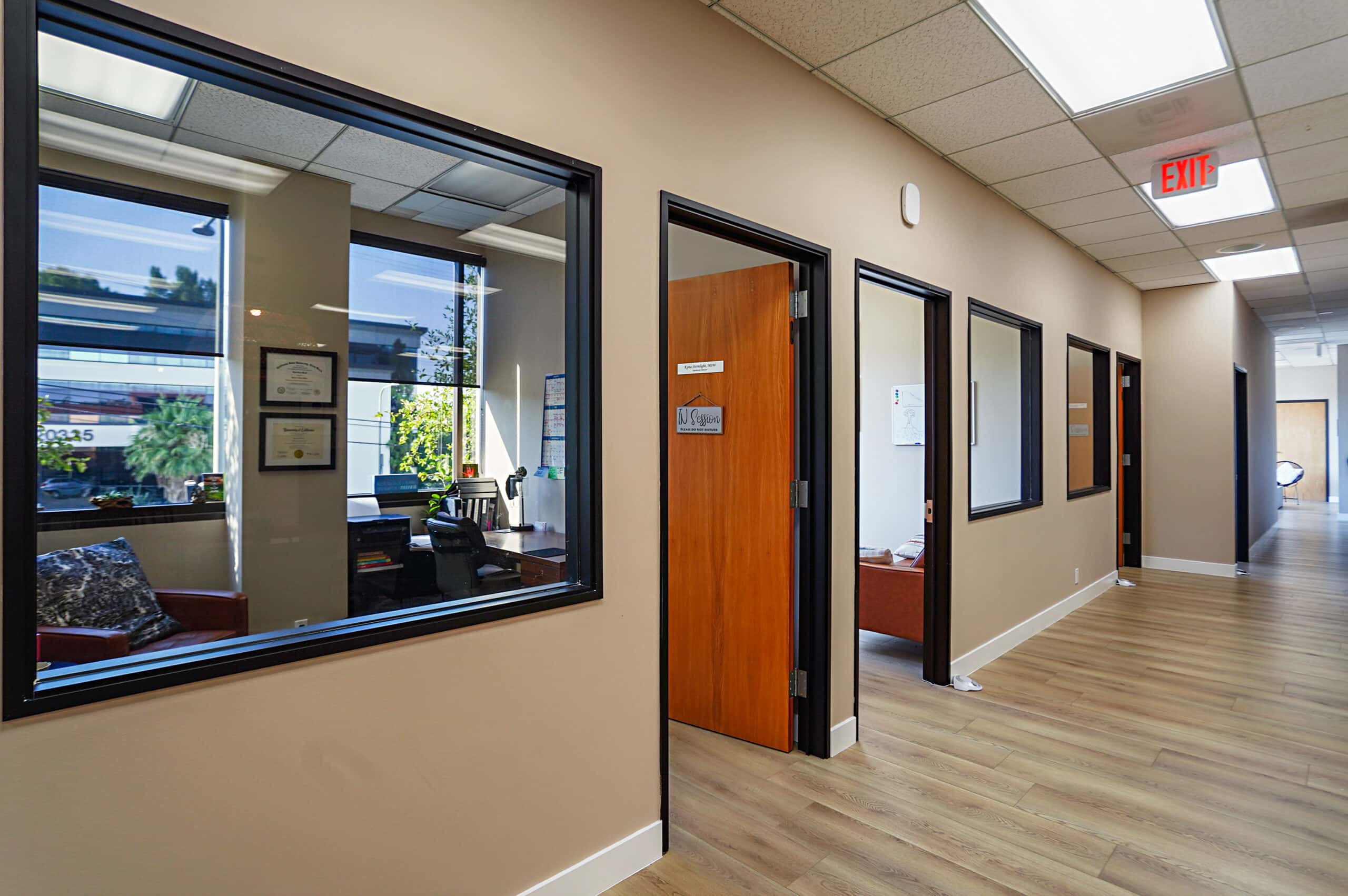
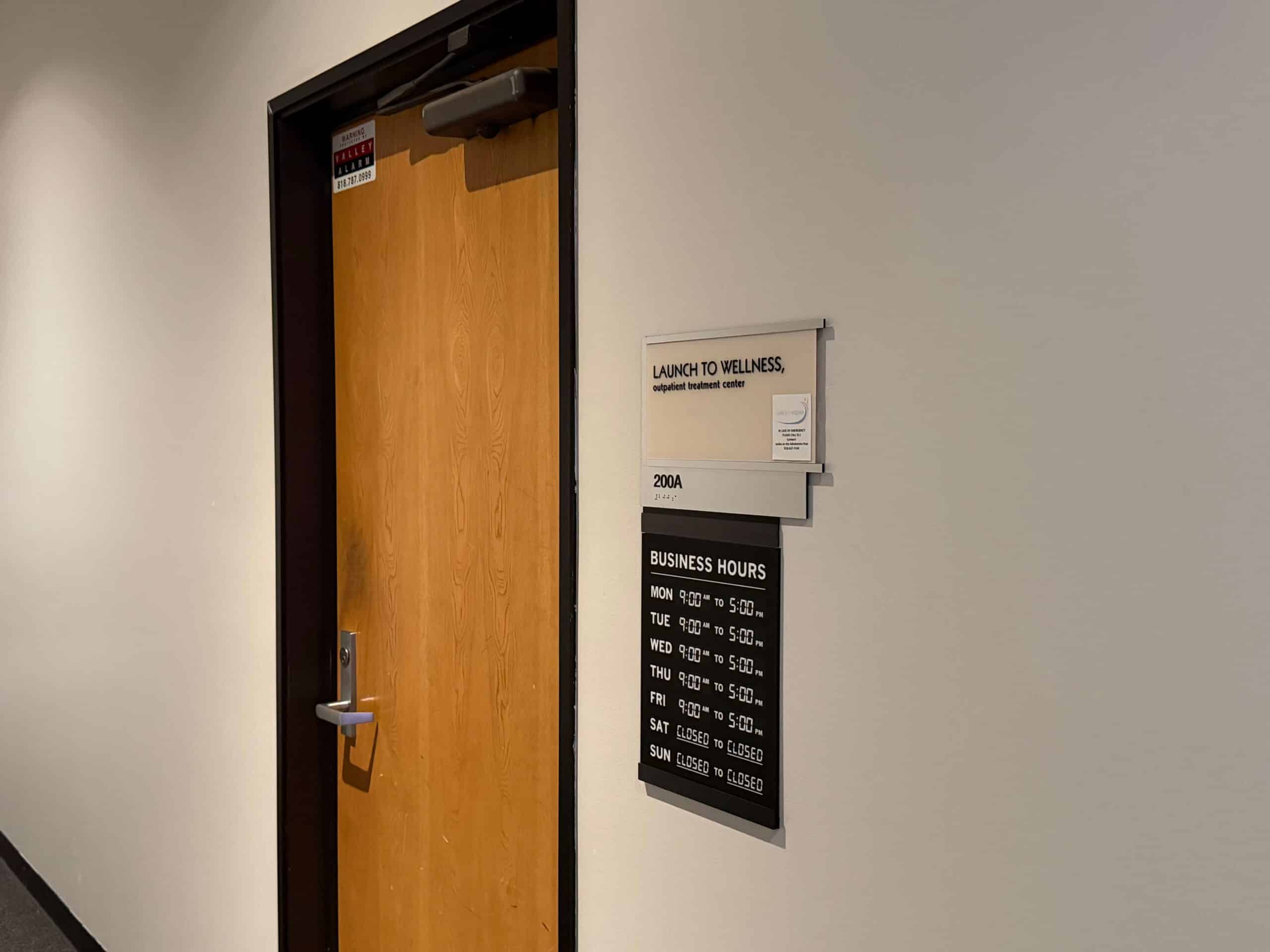
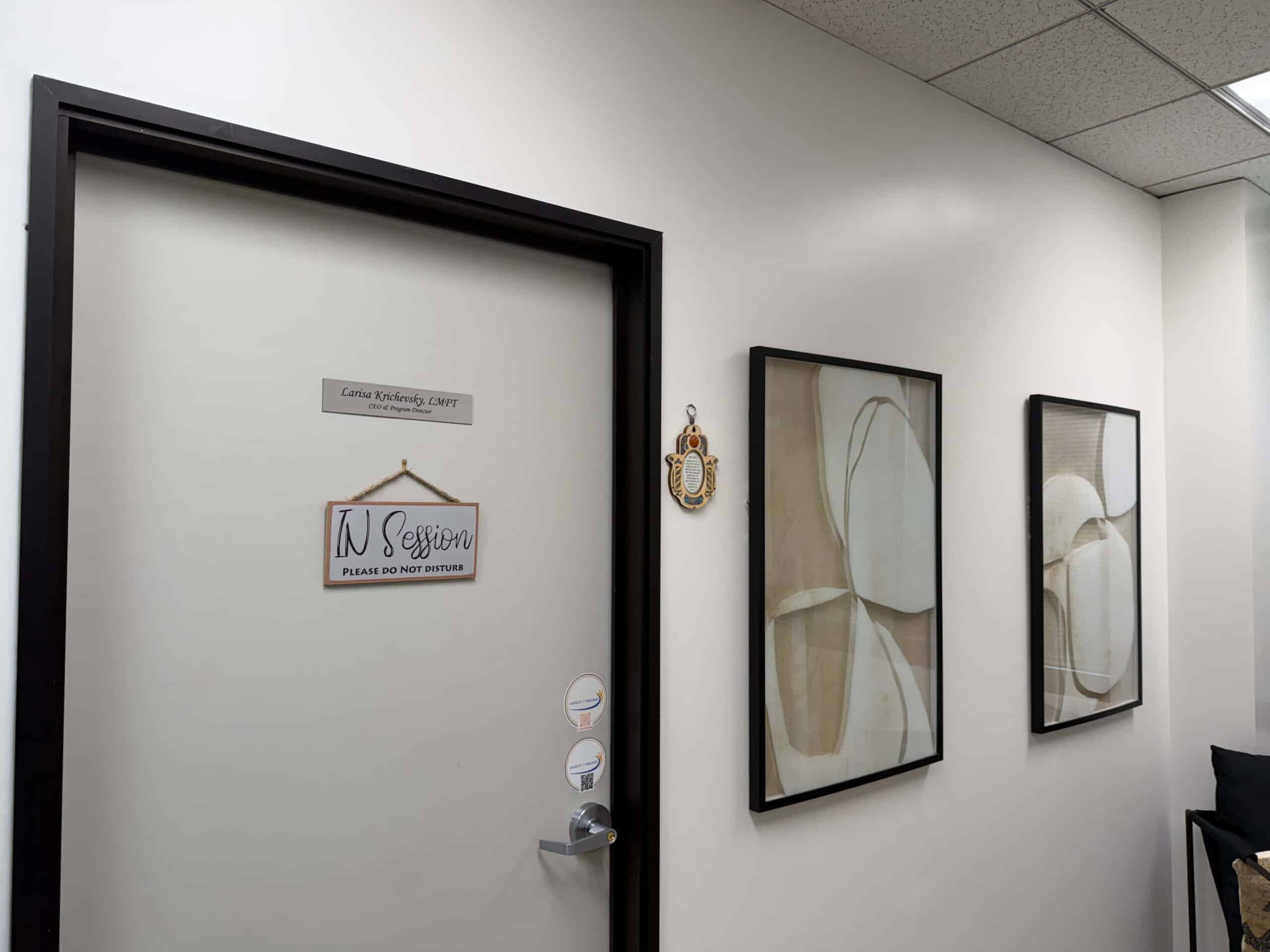
Office door and hamsa on the wall beside it
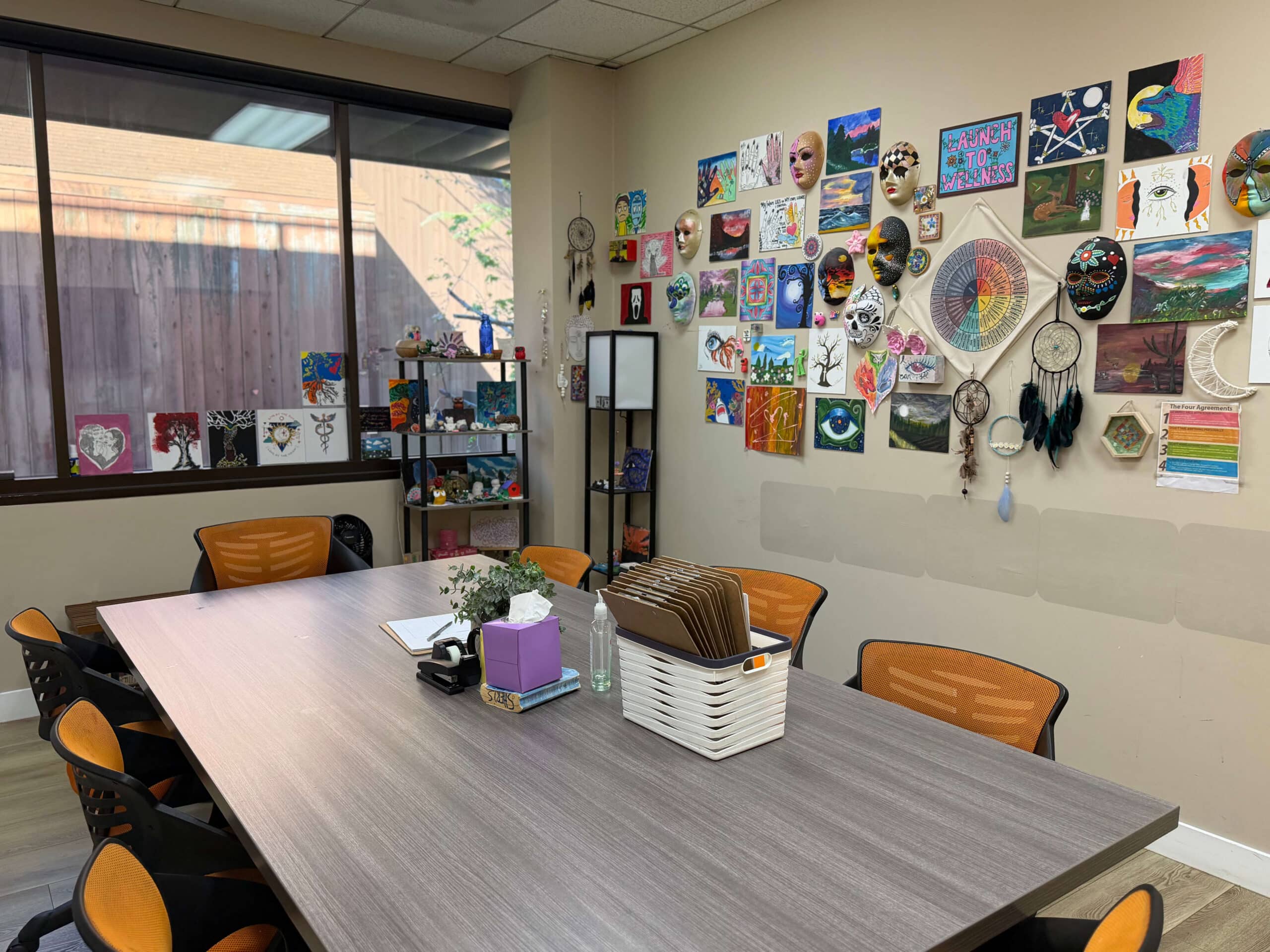
Artwork displayed on the studio wall
Therapy office at Launch To Wellness
Clinical meeting space

The Difference With Outpatient

There Is No Gap Between Treatment and Home for Either of You.
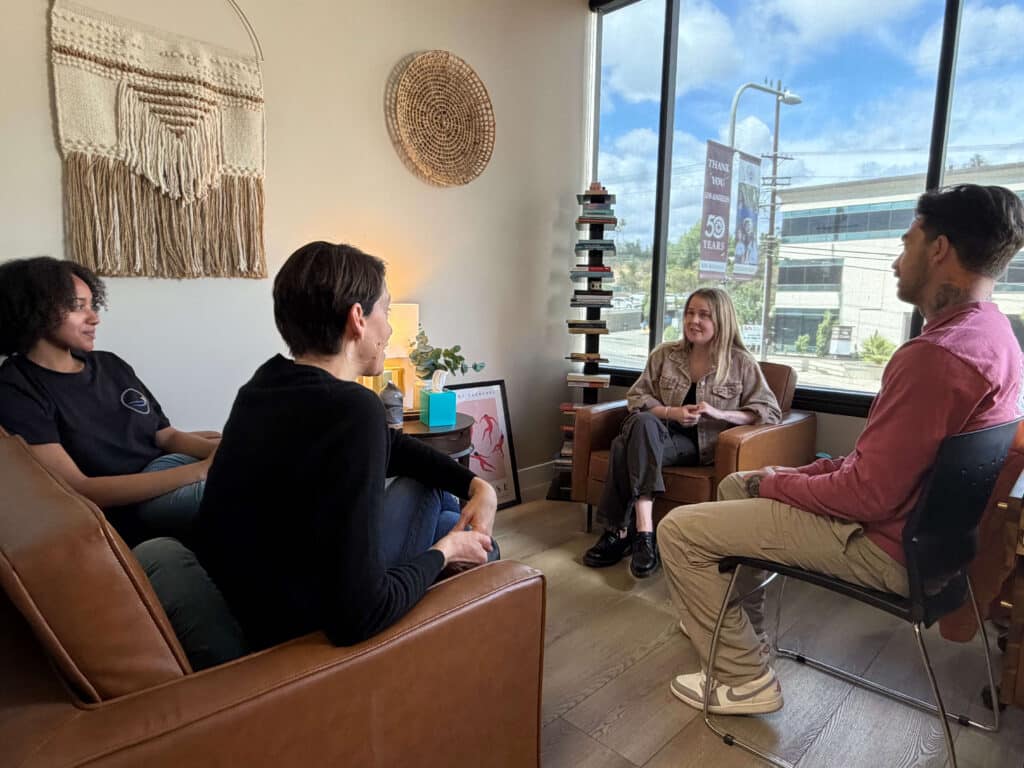
Family support during outpatient treatment at Launch To Wellness

With residential care, families often describe a pause: someone is away, and the household waits. Outpatient treatment does not work like that. Someone attends clinical hours and then comes back to the same kitchen, the same tensions and the same routines that were there before.

That is a genuine clinical advantage, because new skills get tested where they will actually be used. It also means the people at home are part of the environment the work depends on, which is a real responsibility and worth naming honestly rather than glossing.

How Families Take Part

Week to Week

What Tends to Help, in Roughly the Order It Comes Up.

General guidance rather than instructions. What applies to your household is a conversation with your clinician.

  1. 01 · The First Weeks

    Expect It to Be Uneven

    Early treatment is often harder before it is easier. A difficult fortnight is not evidence that it is not working, and reading it that way early tends to be costly.

  2. 02 · Your Own Support

    Put Something in Place for Yourself

    Not a luxury and not selfish. Families who have their own support tend to be steadier over a long treatment episode than those running purely on will.

  3. 03 · The Home Environment

    Look at What the Week Is Like

    Building a home environment that supports recovery is part of what family therapy works on. It is worth discussing specifics with your clinician rather than deciding alone.

  4. 04 · Setbacks

    Have a Plan Before You Need One

    Working out in advance who gets called and what happens next is far easier than working it out at eleven at night. This is a good use of a family session.

Worth Knowing

Four Things Families Tell Us They Wish They Had Known

Not rules. Just the things that come up often enough to be worth saying in advance.

Progress Is Not Linear A steady upward line is not what recovery looks like for most people. Judging a month by its worst day will exhaust you and tell you very little.
You Are Allowed to Be Angry Being supportive does not require having resolved how you feel. Both things can be true at once, and family sessions are a reasonable place for the second one.
Surveillance Is Not Support Checking, tracking and testing tend to shift the work onto you and put the relationship into a role neither of you wants. Where monitoring genuinely belongs is a clinical question.
Your Own Recovery Counts Something changed in you across those years too. Treating that as a real thing rather than a footnote tends to make you more useful to them, not less.

Common Questions

Questions About Supporting Someone.

General information. Your clinician is the right source for what applies to your household.

  • Family and individual sessions do different jobs
  • Have the relapse plan before you need it
  • Boundaries are part of the work, not failure
Should I Go to Their Sessions?

Family sessions and individual sessions do different jobs. Which you attend, and when, is decided clinically with the family rather than by a general rule.

What Do I Do if They Relapse?

Have the plan before the night you need it. Who is called, what happens next, and what you will and will not do are much easier to decide in a session than in the moment.

How Do I Talk About It Without Starting a Fight?

Rebuilding communication is one of the four things family therapy works on directly, and it is a common reason families come in.

Am I Allowed to Have My Own Limits?

Yes. Setting healthy boundaries is part of the clinical work, not a failure of support. What those limits are is worth deciding with help rather than in the middle of a hard week.

Related Reading

More for Families

The rest of this section, if you want to keep reading.

How Addiction Affects Families

What changes in a household, and why it outlasts the substance.

Learn More

Family Trauma

Why it still hurts once the crisis is over, and what trauma-informed care means.

Learn More

Family Therapy

Family-systems therapy at Launch To Wellness, and what a session actually involves.

Learn More

Family Support Program

How families take part alongside PHP, IOP, OP and Virtual IOP.

Learn More

CRAFT and Tough Love

What the research says about which approach gets someone into treatment.

Learn More
Why Launch To Wellness — Levels of care | Launch To Wellness

Programs

Levels of Care

Momentum moves through four levels — PHP, IOP, Virtual IOP, then OP. Each hang is a step, not a guess.

01

Partial hospitalization

The most structured outpatient week. Five days, evenings at home.

Learn more

02

Intensive outpatient

Real structure, fewer days, built around work, school, or family.

Learn more

03

Virtual intensive outpatient

The same IOP program and clinical team, delivered across California.

Learn more

04

Outpatient

The lightest level. Ongoing support at a lower weekly frequency.

Learn more
Why Launch To Wellness — Insurance | Launch To Wellness

In-Network & Out-of-Network

We Work With Most Major Insurance Providers

Chances are, your plan is covered. Verify your benefits in minutes — confidentially and with no obligation.

Verify Your Benefits

Don’t see your provider? We likely still work with them out-of-network — and self-pay options are available if you prefer to keep care private. Let’s check.

The Team Behind the Care | Launch To Wellness

Meet Our Leadership

The Team Behind the Care

Our leadership stays closely connected to the care clients receive, guiding clinical quality, day-to-day operations, and the experience of every person who walks through our doors.

  • Portrait of Larisa Krichevsky

    LMFT

    Larisa Krichevsky

    CEO and Founder

  • Portrait of Kyna Sternlight

    MSW

    Kyna Sternlight

    Director of Operations

  • Portrait of Desiree Golbahar

    LMFT

    Desiree Golbahar

    Clinical Director

  • Portrait of Annie-Claire Lowen

    LMFT

    Annie-Claire Lowen

    Co-Clinical Director

Meet the clinicians, case managers, and support professionals who carry this standard of care into every client experience.

Meet the Full Team
Four Categories, One Team | Launch To Wellness

What We Treat, By Category

Four Categories, One Team.

Every plan starts with a category, then gets built around the specific condition inside it.

Mental Health

Depression, anxiety, trauma, and the broader range of conditions we treat clinically, not just the most commonly searched ones. Every plan is built around the specific condition, not a generic mental health track everyone moves through the same way.

01 / 04
Why Launch To Wellness — What Makes Our Approach Different | Launch To Wellness

Our approach

What Makes Our Approach Different

If you are comparing outpatient treatment centers in Los Angeles, you have already seen the same three phrases on every site: compassionate staff, evidence-based care, individualized attention. All of it is usually true, and none of it helps you choose.

Here is what distinguishes Launch To Wellness, an outpatient mental health and substance use treatment center in Woodland Hills serving the San Fernando Valley and greater Los Angeles, described specifically enough that you can ask us about any of it before you decide.

  • Co-occurring mental health and substance use conditions are addressed in one treatment plan by one team. You will not be told your depression is out of scope, or that you need to get sober first before anyone will treat your trauma. Both are worked on from day one.

  • Your therapist, psychiatric provider, and case manager work in the same Woodland Hills building and stay in the same conversation about your care. Clinical staff meet regularly to review each client’s progress, so your plan changes when your situation changes rather than six weeks later.

  • We do not run everyone through the same sequence of worksheets. Your treatment plan is built from your clinical assessment, your history, your goals, and what has already failed you. Two people in the same program on the same day are often working on very different things.

  • Outpatient treatment means you practice what you learn where it actually matters, which is at home, at work, and with your family. Skills are tested against real life every evening and reviewed the next day. For many adults that is not a compromise, it is the more durable path.

  • Recovery rarely happens in isolation, and families often need support of their own. Family education and involvement are offered as part of the treatment plan, with your consent and on your terms.

  • For adults whose depression has not responded to medication, transcranial magnetic stimulation is a non-invasive, FDA-cleared option for treatment-resistant depression. Having TMS therapy available in house means we can change course without sending you somewhere else.

  • Your progress is tracked with validated clinical assessments at regular intervals, not only by how you describe your week. When the measures stop moving, your treatment plan changes.

Why Launch To Wellness — Our Admissions Process | Launch To Wellness

How admissions works at Launch To Wellness

Our Admissions Process

Admissions here doesn’t start with paperwork or a decision you have to commit to on the spot. It starts with a real conversation, and everything after that unfolds one confirmed step at a time.

Start a Clinical Assessment Back to About

Get Started

You Don’t Have to Figure This Out Alone

One call is enough to get real answers, not a sales pitch. Whether you’re ready to schedule a clinical assessment or you just have questions, we’re here.

Start a Clinical Assessment Call (424) 327-4040

  • Joint Commission National Quality Approval gold seal

    Joint Commission Accreditation, National Gold Seal of Approval, ID 700145

    National Gold Seal of Approval

    ID: #700145 Effective: 10/27/2023 Expires: 10/27/2026